Rare Cancers

eligibility checklist

Rare 9/11 Cancer Related Illness

The 9/11 Victim Compensation Fund was created and extended to compensate victims of the attacks on the World Trade Center on 9/11. This fund helps victims of 9/11 and survivors exposed to Ground Zero during recovery efforts. If you or someone you love suffers from rare cancers, contact the 9/11 attorneys at Pitta & Baione to see if your illness is covered by the Victim Compensation Fund.
WHEN IS A CANCER RARE?

One of the categories of illness and injury that is covered by the Victim Compensation Fund is cancer, specifically rare cancers. A type of cancer is considered rare if the incidence rate of that cancer is low enough. The incidence rate for rare cancers is if that cancer occurs in less than 15 cases out of 100,000 persons per year. The timeframe this data is drawn from is 2005-2009 and includes data on cancer in North America.

WHAT RARE CANCERS ARE COVERED UNDER VCF?

You do not need to research or calculate the incidence of cancer on your own. To help survivors of 9/11 determine if their cancer is in the rare cancer category, the World Trade Center Health Program prepared a guide of cancers already included and criteria for other qualifying cancers. This list is not exhaustive, but it is a good place to start.

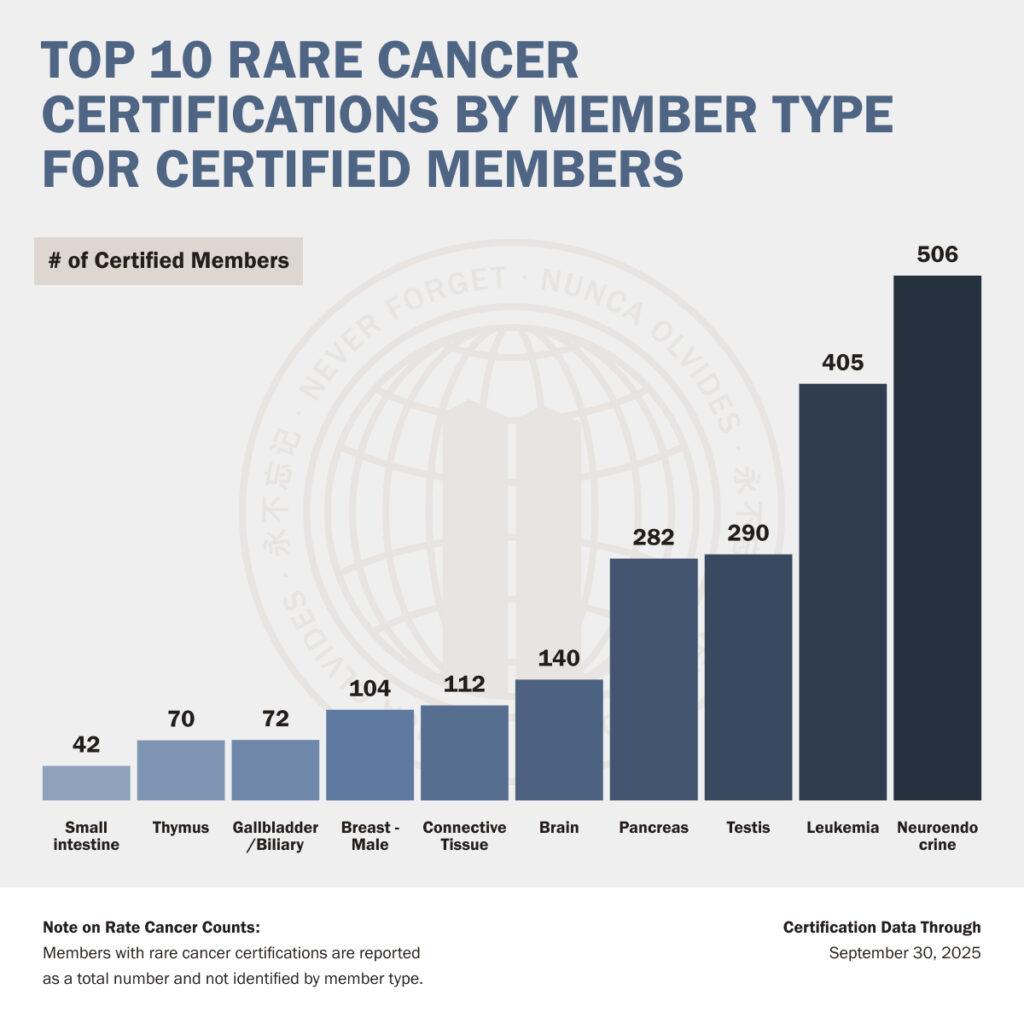
Cancers certified as rare for the cancers include:

  • Malignant neoplasms, including:
    • Adrenal gland and other endocrine glands and related structures
    • Anus and anal canal
    • Bone and articular cartilage
    • Breast among men
    • Gallbladder and other parts of biliary tract
    • Meninges, brain, spinal cord, cranial nerves, and other parts of the central nervous system
    • Pancreas
    • Penis and testis
    • Placenta
    • Small intestine
    • Thymus
    • Vulva, vagina, and cervix uteri (invasive only)
  • Malignant neuroendocrine neoplasm, including carcinoid tumors
  • Myeloid neoplasmas, including myelodysplastic syndromes, myeloproliferative neoplasms, myelodysplastic/myeloproflierative neoplasms, and myeloid malignancies associated with eosinophilia and abnormalities of growth factor receptors derived from platelets or fibroblasts

Since rare cancers affect different parts of the body and have different effects on the body, it is difficult to identify symptoms. Also, since these are rare cancers, symptoms could be for any variety of other illnesses.

CONTACT A SEPTEMBER 11TH ATTORNEY TO DISCUSS YOUR ELIGIBILITY FOR BENEFITS

If you or a loved one suffer from a rare cancer related to exposure from September 11th, contact a 9/11 attorney at Pitta & Baione by completing our online contact form or calling us at 844-901-1312.

$600+ MILLION RECOVERED FOR OUR CLIENTS

Blood & Lymphoid Cancer


Digestive System Cancer


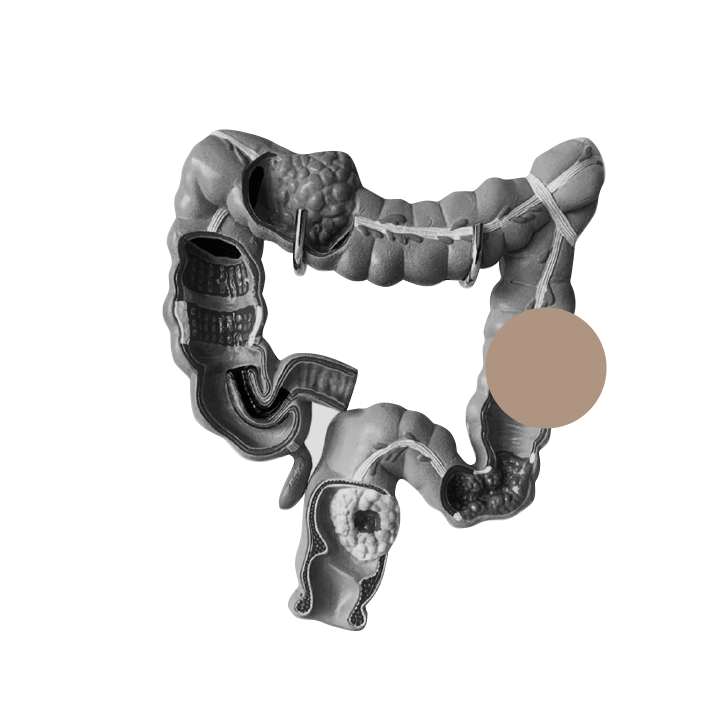
  • Colon
  • Esophagus
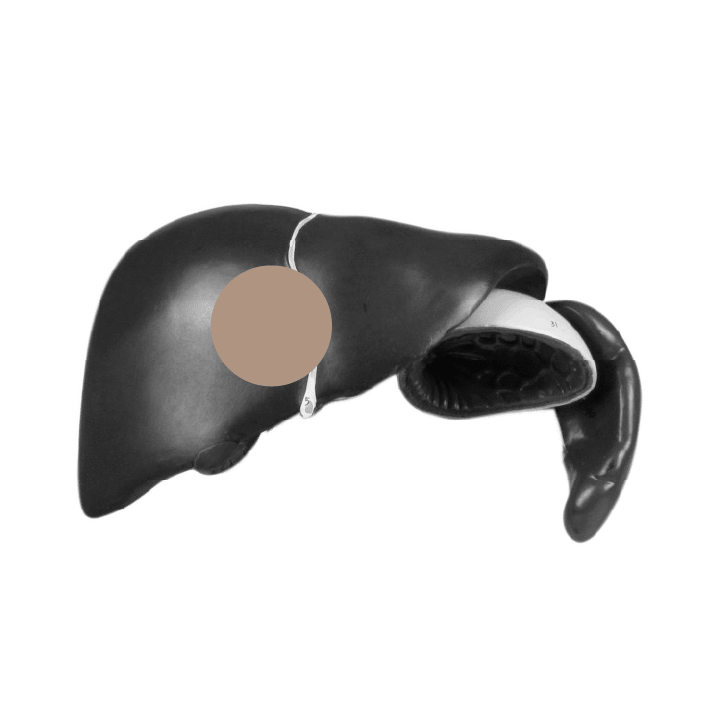
  • Liver and intrahepatic bile ducts
  • Other and ill-defined digestive organ conditions
  • Rectosigmoid junction
  • Rectum
  • Retroperitoneumand peritoneum
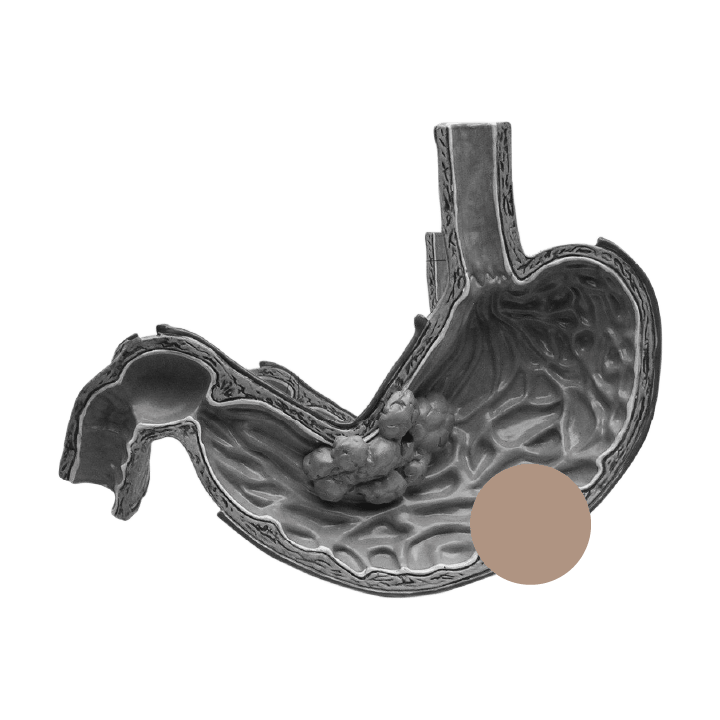
  • Stomach

Eye and Orbital Cancer


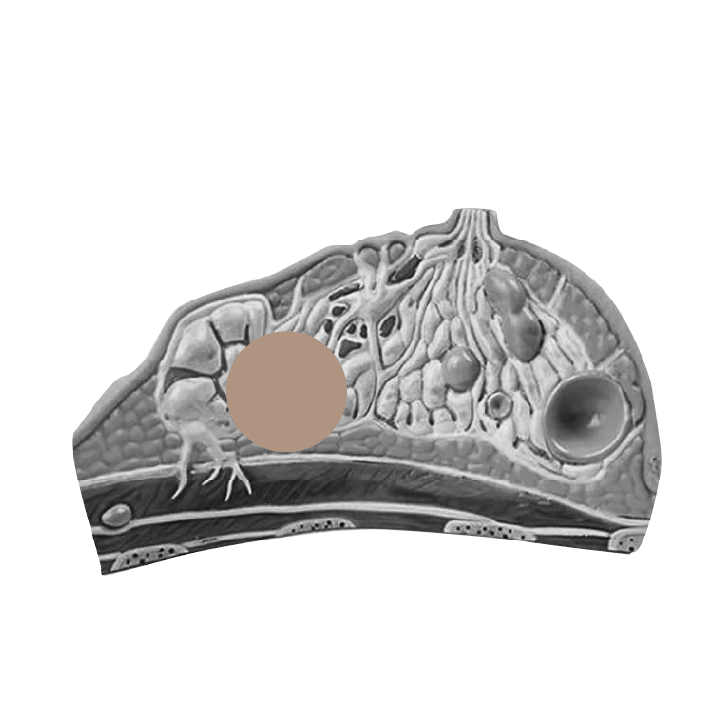
Female Breast Cancer


The WTCHP recognized the link between exposure to polychlorinated biphenyls (PCBs), other toxins, and the development of breast cancer. The WTCHP allows 9/11 breast cancer victims to receive medical treatment and also provides monitoring to first responders and survivors for proper screening of all 9/11-related medical conditions.

Brain Cancer


Exposure to the harmful post-9/11 elements increased the chance of brain cancer in survivors.

Examples of VCF eligible primary brain cancers include, but are not limited to, the malignant forms of:

  • Gliomas: Tumors that begin in the brain or spinal cord
    • Astrocytoma
    • Ependymoma
    • Glioblastoma
    • Oligodendroglioma
  • Meningiomas: Tumors that arise from the membrane that surrounds the brain and spinal cord
  • Acoustic neuromas: Tumors that develop on the nerves that control balance and hearing
  • Pituitary carcinomas: Tumors that develop in the pituitary gland at the base of the brain
  • Medulloblastomas: Tumors that begin in the lower back part of the brain and spread through spinal fluid

Ovarian Cancer


Most cases of ovarian cancer require surgery to remove the cancer and often will require a series of surgeries. As with other cancers, chemotherapy and radiation may be used to destroy cancer cells and shrink tumors.

Some possible symptoms of ovarian cancer are:

  • Bloating
  • Pelvic or abdominal pain
  • Feeling the need to urinate urgently or often
  • Fatigue
  • Upset stomach or heartburn
  • Back pain
  • Pain during sex
  • Constipation
  • Menstrual changes

Respiratory System Cancer


  • Bronchus and lung
  • Heart, mediastinum, and pleura
  • Other and ill-defined sites in the respiratory system and intrathoracic organs
  • Trachea

Thyroid Cancer


Uterine Cancer


9/11 uterine cancer patients qualify to receive federally-funded medical monitoring and treatment as well as potential compensation through the VCF.

Uterine cancer has various subtypes. These subtypes include:

  • Adenocarcinoma
  • Uterine papillary serous carcinoma
  • Uterine clear cell carcinoma
  • Uterine carcinosarcoma (CS)
  • Uterine sarcoma

Rare Cancers


  • Malignant neoplasms of the adrenal gland and other endocrine glands and related structures
  • Anus and anal canal
  • Bone and articular cartilage
  • Breast among men
  • Gallbladder and other parts of biliary tract
  • Meninges, brain, spinal cord, cranial nerves, and other parts of central nervous system
  • Pancreas
  • Penis and testis
  • Placenta
  • Small intestine
  • Thymus
  • Vulva, vagina, and cervix uteri (invasive only)
  • Malignant neuroendocrine neoplasm, including carcinoid tumors
  • Myeloid neoplasms, including myelodysplastic syndromes, myeloproliferative neoplasms, myelodysplastic/myeloproliferative neoplasms, and myeloid malignancies associated with eosinophilia and abnormalities of growth factor receptors derived from platelets or fibroblasts
  • Other cancers that meet the threshold incidence rate of less than 15 cases per 100,000 persons per year based on age-adjusted 2005-2009 average annual data.

Mesothelioma


Mesothelioma is a type of cancer that is found in the mesothelium tissue of the body. This tissue lines a number of vital organs, including the lungs, stomach, and heart.

Symptoms generally include:

  • Shortness of breath
  • Persistent, dry cough
  • Loss of appetite and weight loss
  • Chest tightness or pain

Aerodigestive Disorders


Musculoskeletal Disorders


  • Responders who received treatment for a WTC-related musculoskeletal disorder, such as carpal tunnel syndrome or lower back pain, on or before September 11, 2003 are eligible for coverage.

Acute Traumatic Injury


Responders and survivors who received treatment for a WTC-related acute traumatic injury on or before September 11, 2003 are eligible for coverage. Examples include:

Precancerous Conditions


Precancerous conditions can turn into cancer if left untreated. One of these cancers includes the rare Endometrial Intraepithelial Neoplasia (EIN), an aggressive condition affecting the lining of the uterus that has been linked to 9/11 toxin exposure.

Eligible
for Compensation?
Phone Aniamtion
No one should have to bear the costs of battling a 9/11 cancer or illness alone. It only takes a few minutes to see if you may be eligible for free healthcare benefits and other compensation. Having a lawyer by your side can help you maximize the benefits you receive, and ensure your rights are protected.
  • Star icon
  • Star icon
  • Star icon
  • Star icon
  • Star icon
5-Star Rated 9/11 Law Firm
Our law firm doesn’t have cases, it has clients, and we do whatever it takes to help them.
Open Quote Icon