The World Trade Center Health Program was started to help survivors as they deal with and recover from diseases related to 9/11. If you or a loved one suffer from 9/11 prostate cancer, contact a 9/11 benefits attorney at Pitta & Baione LLP to learn if your prostate cancer may be covered by the program.
Prostate cancer is the second most common cancer diagnosis among members of the World Trade Center Health Program (WTC). As discussed in our recent blog posts, it is estimated that 500,000 people were exposed to WTC dust and 9/11 toxins on, and in the months following, September 11, 2001. Of the 500,000 people exposed, only 75,000 have enrolled in the WTC Program.
UNDERSTANDING PROSTATE CANCER IN SEPTEMBER 11TH SURVIVORS
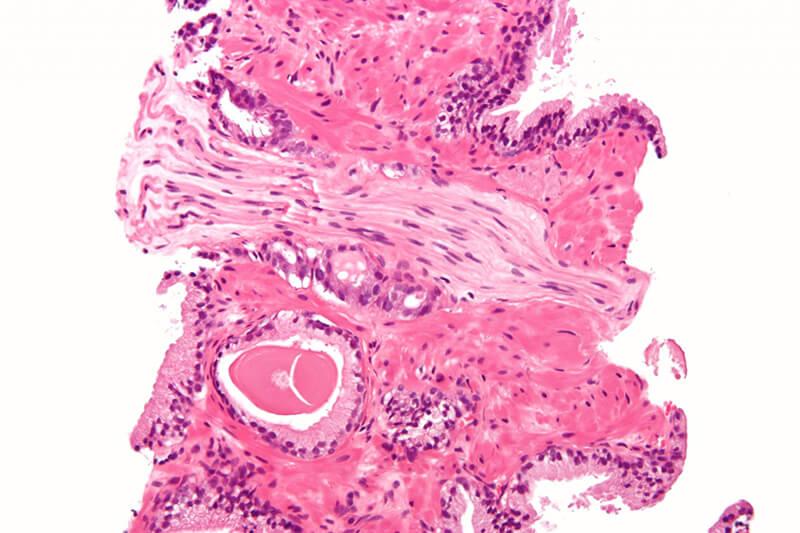
Prostate cancer is found in the prostate gland of men when cells begin to grow out of control. It is very common, and about one out of nine men will be diagnosed with prostate cancer. The most common type of prostate cancer is adenocarcinoma, which is cancer that forms from the gland cells in the prostate. Other types of prostate cancer are small cell carcinomas, neuroendocrine tumors, transitional cell carcinoma, and sarcoma. Usually if caught early, prostate cancer can be completely treated.
HOW COMMON IS PROSTATE CANCER IN 9/11 VICTIMS?
In 2013, epidemiologists reviewed data on 20,984 responders collected by the World Trade Center Health Program at Mount Sinai Hospital between 2001 and 2008. The study revealed that responders were diagnosed with prostate cancer at a rate 17 percent higher than the general population. Prompted in part by the results of this study, in May 2013 the Patrolmen’s Benevolent Association petitioned the World Trade Center Health Program Administrator Dr. John Howard to include prostate cancer on the list of covered conditions.
Prior to this petition, the World Trade Center Health Program covered over 60 other forms of cancer, but not prostate. Dr. Howard reviewed the study, along with additional research showing increased prevalence of prostate cancer among 9/11 survivors exposed population, and decided to add it to the list of covered conditions on July 2, 2013.
New research shows that prostate cancer is being diagnosed at an unexpected, alarming rate among men who worked at or around Ground Zero. Specifically, three consecutive studies reveal a diagnosis rate higher than that of the general population. One 2016 issue of the American Journal of Industrial Medicine, which was dedicated entirely to 9/11-related illnesses, included a study of 24,000 9/11 first responders that revealed prostate cancer as the most common form of cancer. The study detailed 685 cancer diagnoses. Prostate cancer accounted for nearly 33% of all male illnesses.
Dr. Michael Crane, director of the World Trade Center Health Program at Mount Sinai Hospital, commented “We are seeing some very young men with prostate cancer. The youngest one is 34. Some guys have walked through the door of our center with very advanced-stage disease, and I can tell you this is something that is very rough on their families.”
SYMPTOMS AND DIAGNOSIS OF 9/11 PROSTATE CANCER
Symptoms of prostate cancer include changes in urination, blood in urine or semen, and erectile dysfunction. Diagnosing prostate cancer also involves other common cancer diagnostic tools such as biopsy, blood testing, MRI, and x-ray to determine if and how much the cancer has spread. Determining the extent of the cancer will help develop a treatment plan.
TREATMENT OPTIONS FOR WORLD TRADE CENTER SURVIVORS
Since prostate cancer can be diagnosed fairly early in many cases, treatment may completely remove the cancer and prevent it from returning. Common treatments are surgery, chemotherapy, radiation, hormone therapy, and other targeted medications. Due to the prostate being involved in this cancer, various doctors may be involved in treatment, including urologists, medical oncologists, and radiation oncologists. With a thorough team of doctors and a detailed treatment plan, 9/11 prostate cancer is survivable.
Over $700 MILLION RECOVERED FOR OUR CLIENTS
-
 $1.1 Million Breast Cancer
Wrongful death award on behalf of a Bank of New York employee present in the designated area on 9/11
-
 $900+ Thousand Liver Cancer
Wrongful death award on behalf of a Salvation Army volunteer present in the designated area on 9/11
-
 $1.1 Million Gallbladder Cancer
Wrongful death award on behalf of a resident of Confucius Plaza on 9/11
-
 $1.3 Million Colon Cancer
Wrongful death award on behalf of an office worker who was present in Lower Manhattan on 9/11
-
 $1.4 Million Laryngeal Cancer
Wrongful death award on behalf of a Local 1 plumber who volunteered to recover bodies on 9/11
-
 $1.1 Million Nasal Cancer
Wrongful death award on behalf of a resident who lived in Chinatown on 9/11
Contact a 9/11 Prostate Cancer Lawyer
You do not have to suffer from prostate cancer alone. If you or a loved one suffer from prostate cancer related to exposure from September 11th, contact a 9/11 prostate cancer attorney at Pitta & Baione by completing our online contact form or calling us at 844-901-1312.


Are You Eligible
for Compensation?