Toxic exposures during the tragic events of September 11th may be linked to increased male breast cancer rates. This guide details the relationship between 9/11 exposure and 9/11 male breast cancer in men and the benefits available through the Victim Compensation Fund (VCF) and World Trade Center Health Program (WTCHP), which were created to help victims suffering from illnesses, injuries, and diseases related to the 9/11 attacks.
These programs provide funding for medical treatment and additional healthcare services to September 11th survivors. If you or a loved one suffers from male breast cancer, contact a 9/11 benefits attorney at Pitta & Baione LLP to discuss your eligibility for benefits from the VCF and WTCHP.
The Link Between Cancer and 9/11
The catastrophic events of September 11th not only changed the world but also left a lasting impact on the health of those who were exposed to the aftermath. A particular health concern that has emerged is the rise in male breast cancer cases, an otherwise rare condition that may be linked to the toxic dust from the 9/11 site.
This dust, a malignant cocktail of carcinogens, is now known as “9/11 dust,” and its association with various breast cancers and, aptly termed “9/11 cancer,” has been recognized by leading health organizations such as the American Cancer Society and the National Cancer Institute. Experts did not realize at the time that the “dust” that responders and survivors were exposed to consisted of far more dangerous particulates than what was initially reported. Analyses have found that such harmful materials as asbestos, glass, silica, concrete, and metals were also in the air for months after the Twin Towers’ collapse, which may help explain why rarer conditions like male breast cancer are becoming more common in the wake of this event.
In response to this crisis, Pitta & Baione LLP has been at the forefront of advocacy, campaigning tirelessly to include more conditions under the coverage provided by the World Trade Center Health Program and the Victim Compensation Fund. They have been instrumental in assisting individuals in obtaining not just financial compensation but also covered healthcare services, including fighting against low compensation offers. Their dedication to the cause is evident in their efforts to streamline the claims process.
What Is Ground Zero Cancer?
The term “Ground Zero cancer” might be familiar to you, as it denotes cancers linked to exposure to harmful substances at the 9/11 site. Among these 9/11 cancers, male breast cancer has emerged as another notable concern. Ground Zero exposure is also linked to a damaging cycle of inflammatory T-cell production, which is problematic in that an inflammation characteristic is often tied to a worse prognosis, particularly for breast cancer.
How Do Men Get Breast Cancer?
The answer is both genetic and environmental. Men have a small amount of nonfunctioning breast tissue that can develop cancer, just as it happens in female breast cancer cases. Notably, exposure to toxic substances, such as those present during the 9/11 attacks, can significantly increase breast cancer risk, including the risk of developing male breast cancer.
As of 2025, over 50,000 people had been diagnosed with certified 9/11-related cancer, highlighting the extensive health consequences of the attacks. Sadly, this number continues to rise as more cases emerge, with some taking years to manifest due to the nature of the disease.
The increase in male breast cancer instances among survivors and first responders is believed to be due to the carcinogenic substances released during and following the 9/11 attacks. These substances, including asbestos and other toxins, can cause significant harm when inhaled or ingested, leading to various health conditions, including cancer.
What Are the Symptoms of Breast Cancer in Men?
Remember, the only definitive way to know if a man has breast cancer is via medical diagnosis, which may involve a breast cancer screening. Post-9/11 lifestyle changes, such as obesity, can also increase breast cancer risk.
Recognizing the symptoms of male breast cancer can lead to prompt diagnosis and treatment, which is vital for the best possible outcome. These symptoms can include:
- A painless lump or thickening in the breast tissue
- Changes to the skin covering the breast, such as dimpling, puckering, redness, or scaling
- Changes to the nipple, including redness, scaling, or a nipple that turns inward
- Discharge from the nipple, which may be clear or contain blood
Ignoring these symptoms is inadvisable as early diagnosis is key to effective treatment, especially in cases of late-stage or invasive breast cancer.
Treatments for Male Breast Cancer
Following a diagnosis of male breast cancer, treatment options are varied and can include:
- Surgery
- Radiation therapy
- Chemotherapy
- Hormone therapy
The type of treatment depends on the cancer stage and the patient’s overall health.
While a cancer diagnosis can instill fear and uncertainty, it is important to note that effective treatments exist for targeting cancer cells – and the success rate increases with early detection.
Male Breast Cancer as a Rare Condition Under the WTCHP
Male breast cancer is also referred to as “ductal carcinoma,” as it most commonly begins in the ducts of the breast tissue. While breast cancer in men is less common than in women, it is equally important to diagnose and treat it.
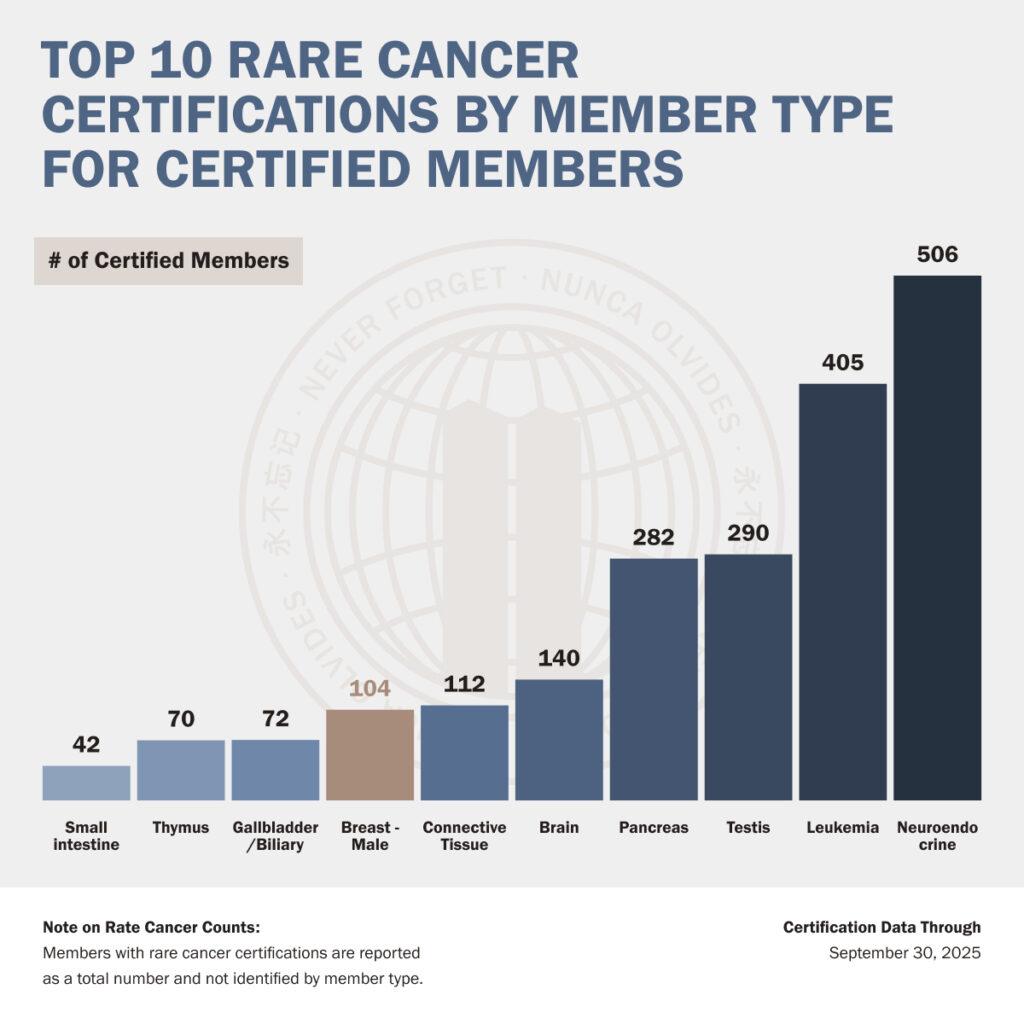
Male breast cancer is one of the more recently recognized types of cancer associated with 9/11 exposure. It has been granted “rare cancer certification,” a WTCHP designation for cancers affecting fewer than 15 individuals per 100,000 annually. Based on data from the WTCHP’s External Quarterly Program Summary, male breast cancer is sixth on the Top 10 list of rare cancer certifications.
The development of breast cancer in men due to 9/11 exposure is a stark reminder of the long-term health effects of the attacks.
What Are Some of the Other Conditions Related to 9/11 Toxin Exposure?
Besides male breast cancer, the 9/11 cancer list is extensive and includes lung cancer, thyroid cancer, and prostate cancer, among others. There are also covered conditions in addition to cancer, such as asthma and other respiratory conditions. The profound health impacts of the 9/11 attacks underline the importance of medical surveillance and care for survivors and first responders.
Men May Be Eligible for VCF Benefits if They Suffer from Male Breast Cancer
Men who have developed breast cancer as a result of 9/11 toxic exposure could qualify for compensation from the VCF. While breast cancer predominantly affects women, male breast cancer accounts for nearly 1% of all breast cancer cases. The risk of developing breast cancer in men may be significantly increased due to exposure to toxic substances during the 9/11 attacks.
Qualification for Coverage
Resources for those seeking to understand the exposure zones and the conditions covered are available. You can check to see if you were in one of the 9/11 toxic dust exposure zones that qualify for 9/11 male breast cancer coverage.
If it appears that you do not qualify, contact our office for help confirming this. We have had success in helping clients who thought they didn’t qualify to discover that they actually do.
The VCF offers significant financial relief for those affected, covering medical expenses and pain and suffering. Pitta & Baione LLP can assist you in navigating this program.
Medical and Financial Assistance for Male Breast Cancer Patients
Breast cancer compensation is accessible for male breast cancer patients whose conditions are related to 9/11 toxin exposure. The World Trade Center Health Program (WTCHP) and the Victim Compensation Fund (VCF) offer the following support to eligible individuals:
- Medical assistance
- Financial assistance
- Coverage for medical expenses
- Compensation for suffering
- Compensation for lost income
Is 9/11 Male Breast Cancer Certified Under the World Trade Center Health Program?
The WTCHP fulfills a pivotal function in facilitating healthcare coverage for 9/11 male breast cancer cases. The program certifies eligible cases and helps cover the cost of treatment, ensuring that the patients receive the care they need without the added financial stress.
Pitta & Baione LLP can assist men with obtaining the treatment they need and help simplify applying for these benefits.
Are Men with 9/11-Related Breast Cancer Eligible for VCF Benefits?
The Victim Compensation Fund (VCF) can serve as a crucial support system for men diagnosed with breast cancer related to 9/11. The VCF provides financial compensation for individuals suffering from 9/11-related health conditions, including rare cancers.
Pitta & Baione LLP has experience ensuring men get the necessary treatment. As experts working with the Victim Compensation Fund, the firm has won many successful cases for 9/11 victims.
If you or a loved one were diagnosed, it’s worth exploring eligibility for VCF benefits and working with a VCF lawyer.
How to Know if You’re Eligible for Compensation from 9/11 Exposure
Eligibility for compensation is contingent upon a variety of factors, including the specific exposure zone, the dates during which that individual was present in the designated exposure zones between September 11, 2001, and May 30, 2002, and their diagnosis. Eligible health conditions are also clearly defined, and breast cancer is among those recognized due to the carcinogenic nature of the air present in the qualifying areas for months post-9/11.
Pitta & Baione LLP is committed to helping individuals understand these eligibility requirements. We offer comprehensive support to ensure that those affected by 9/11 male breast cancer are not left to face these challenges alone.
The importance of hiring a skilled legal representative for such complex matters cannot be overstated. We can help ascertain if your time spent within the exposure zones aligns with the requisite dates and whether your diagnosis meets the criteria set forth by the World Trade Center Health Program. We can also ensure you are filing your claim by the benefits deadline.
Wrongful Death Claims for Families of 9/11 Cancer Victims
Experiencing the loss of a loved one due to a 9/11 cancer death is an indescribably painful experience. Yet there is some solace in the form of financial relief available to families by way of a wrongful death claim. Such compensation can help cover:
- Funeral expenses
- Loss of income
- Medical expenses
- Pain and suffering
Frequently Asked Questions
We recognize that the issue of 9/11 male breast cancer can spawn numerous inquiries. To help address some of these, we’ve compiled a list of frequently asked questions and their answers.
Are 9/11 Survivors and First Responders at Risk of Developing Male Breast Cancer?
Exposure to toxic substances at the site places 9/11 survivors and first responders at risk of developing male breast cancer. While no definitive medical link has yet been established, doctors recognize the correlation between 9/11 toxicity exposure and an increased risk of male breast cancer.
Where Is Male Breast Cancer Usually Found?
Male breast cancer typically originates in the breast tissue. Other less common types of breast cancer in men include inflammatory carcinoma and Paget’s disease of the nipple. Lobular carcinoma, while possible, is an even rarer condition in men due to men’s limited lobular tissue.
How Rare Is Male Breast Cancer?
Male breast cancer is still a rare condition, constituting less than 1% of all breast cancer instances. Even rarer than most breast cancers is bilateral male breast cancer, which involves both breasts. However, despite its rarity, the number of those who have developed male breast cancer has increased significantly in recent years, potentially due to their exposure to toxic substances during the 9/11 attacks. As of June 26, 2025, there have been at least 100 confirmed cases of 9/11-related male breast cancer.
How Dangerous Is Male Breast Cancer?
Breast cancer mortality rates are higher for men than women since they are more likely to have a late-stage diagnosis. A delayed diagnosis of male breast cancer can potentially limit treatment choices and diminish recovery success rates. Men must be aware of the symptoms and seek medical attention promptly should they suspect they may have breast cancer.
The overall 5-year survival rate for men with breast cancer is about 40% to 65%, according to recent statistics, and that number decreases with each stage. Early detection and treatment play a crucial role in improving these survival rates, which is why accessing health care for cancer and conditions of all kinds is so important.
How Many 9/11 Survivors Have Passed Away Due to Cancer?
The number of 9/11 survivors who have succumbed to cancer is well into the thousands and continues to rise, with more cases unfolding as time goes on, and still others unreported. This sobering statistic is a stark reminder of the lasting health impacts of the 9/11 attacks and the importance of continued support for the affected individuals and their families.
While nothing can make up for the loss of a loved one, Pitta & Baione LLP can help loved ones recoup expenses like funeral expenses, loss of income, and loss of inheritance.
Talk to a Lawyer About 9/11 Male Breast Cancer Claims
If you or someone you know is grappling with 9/11-related male breast cancer, obtaining legal advice is a prudent step. A lawyer specializing in 9/11 claims can:
- Guide you through the process of securing financial compensation and healthcare coverage
- Provide support and guidance during this challenging time
- Help you understand your rights and options
- Advocate for your best interests
Don’t hesitate to contact Pitta & Baione LLP for a free consultation.
$650+ MILLION RECOVERED FOR OUR CLIENTS
-
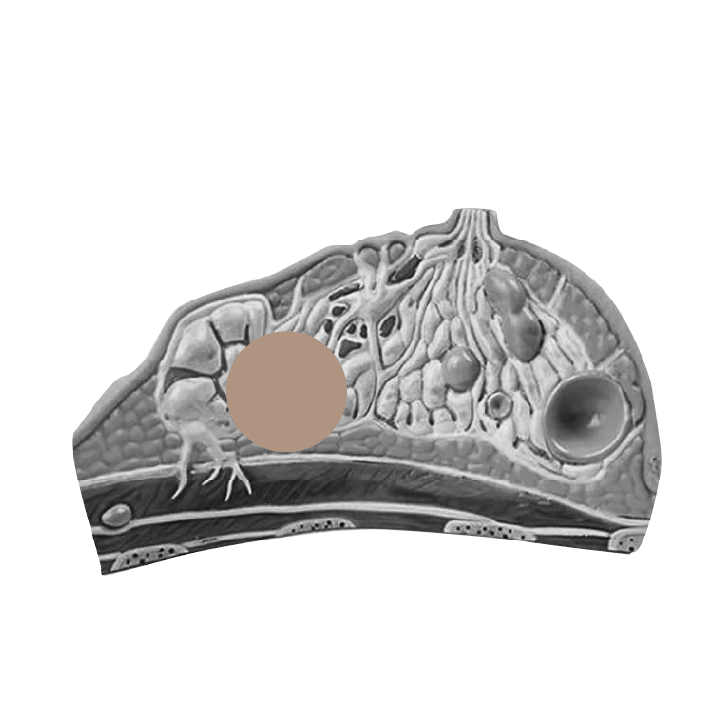 $1.1 Million Breast Cancer
Wrongful death award on behalf of a Bank of New York employee present in the designated area on 9/11
-
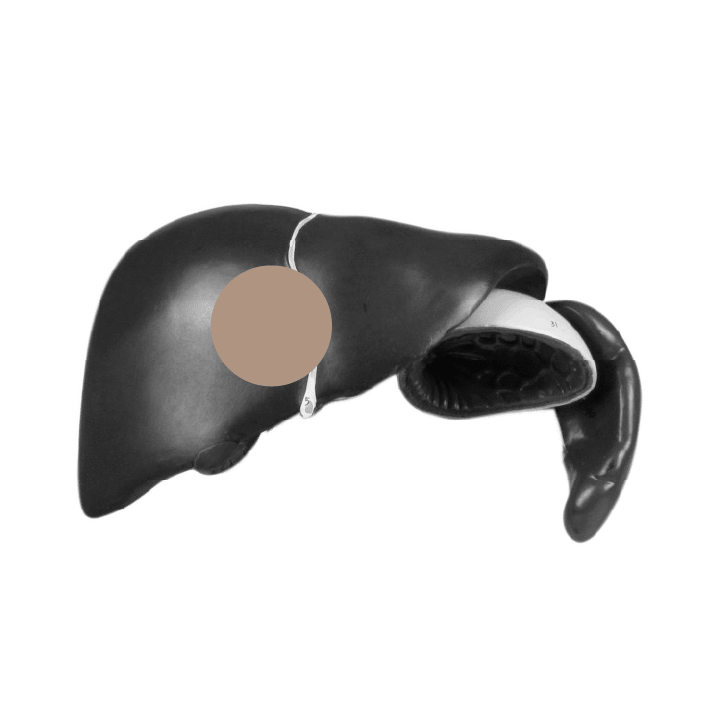 $900+ Thousand Liver Cancer
Wrongful death award on behalf of a Salvation Army volunteer present in the designated area on 9/11
-
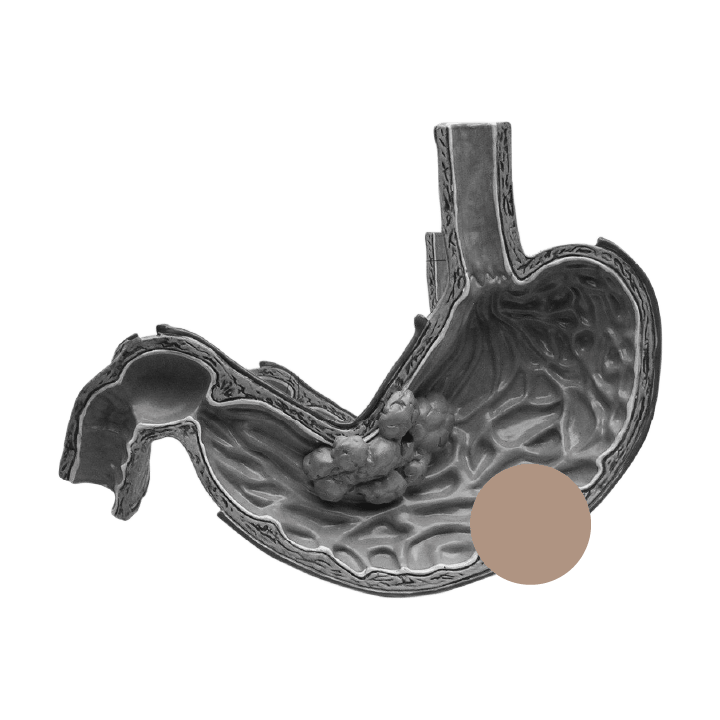 $1.1 Million Gallbladder Cancer
Wrongful death award on behalf of a resident of Confucius Plaza on 9/11
-
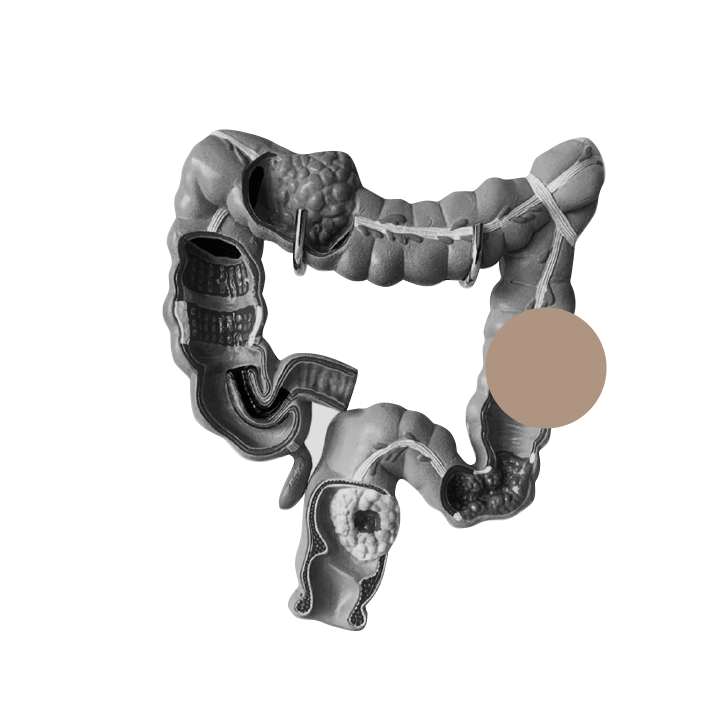 $1.3 Million Colon Cancer
Wrongful death award on behalf of an office worker who was present in Lower Manhattan on 9/11
-
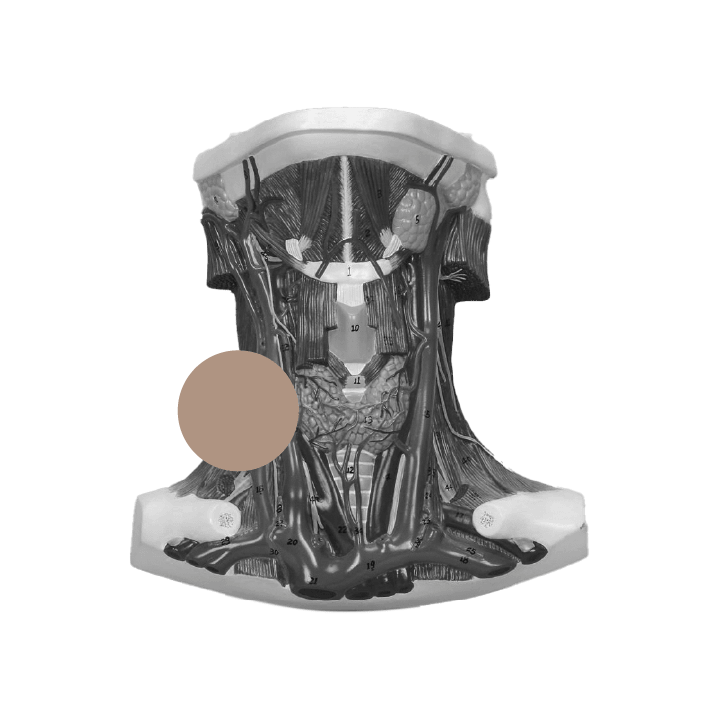 $1.4 Million Laryngeal Cancer
Wrongful death award on behalf of a Local 1 plumber who volunteered to recover bodies on 9/11
-
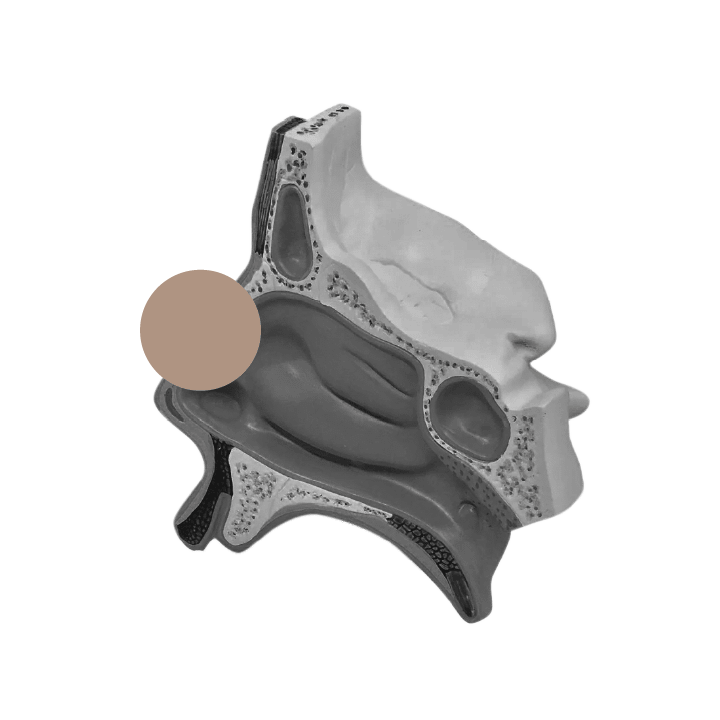 $1.1 Million Nasal Cancer
Wrongful death award on behalf of a resident who lived in Chinatown on 9/11