The WTC Health Program Offers Benefits for 9/11 Digestive System Cancers
The Digestive System is a complex arrangement of organs that allow us to eat food, process nutrients, and expel waste. Cancer in the digestive system can impact one or many of these fundamental organs. If you or a loved one was affected by September 11th and suffers from a cancer of the digestive system, especially stomach cancer, contact a 9/11 attorney from the law firm of Pitta & Baione to discuss your claim.
RISKS FOR DIGESTIVE SYSTEM CANCERS RELATED TO SEPTEMBER 11TH
While a number of risk factors for digestive systems cancers are of a general nature, there are risk factors related to 9/11. Swallowing cancer-causing substances, usually associated with smoking could increase risk of colon cancer. Environmental toxins can increase the risk of liver cancer.
After the Twin Towers fell, dust, smoke, and debris polluted the air and rescue and recovery workers were exposed to dangerous air particles. These environmental factors have been associated with an increase in colon, liver and stomach cancer for 9/11 survivors. It’s worth mentioning that, in 2015, a woman in one of the most sourced photographs of the attacks passed away from 9/11 stomach cancer.
SYMPTOMS OF DIGESTIVE SYSTEM CANCERS
There are many resources available to learn about symptoms of digestive system cancers. Since each part of the digestive system has a different function, the symptoms of cancer will vary. Common symptoms for cancers throughout the digestive systems are loss of appetite, weight loss, and chest or abdominal pain. Symptoms to specific areas include:
- Stomach cancer: difficulty swallowing; feeling bloated after eating; nausea and vomiting
- Esophageal cancer: difficulty swallowing; worsening indigestion; coughing
- Liver cancer: white, chalky stools; nausea and vomiting; yellow discoloration of skin
- Colorectal cancer: constipation or diarrhea; blood in stool
Consult a medical professional if symptoms increase to learn more about diagnosis and treatment.
COVERED DIGESTIVE SYSTEM CANCERS
The following digestive systems are covered under the World Trade Center Health Program’s cancer coverage:
- Colon, including: appendix, colon, hepatic flexure, splenic flexure
- Esophagus, including: cervical and thoracic parts, and overlapping lesion
- Liver and intrahepatic bile ducts, including: hepatoblastoma, intrahepatic bile duct carcinoma, liver, other sarcomas and carcinomas of the liver
- Other ill-defined digestive organs, including the intestinal tract and overlapping lesions
- Rectum
- Retroperitoneum and Peritoneum
- Stomach, including body cardia, fundus, pylorus
9/11 STOMACH CANCER
Stomach cancer (also known as gastric cancer) is a common form of digestive system cancer among 9/11 survivors and first responders. While medical experts do not know exactly how exposure to 9/11 toxins causes cancer, such exposure is associated with an increased risk of cancer among 9/11 survivors and first responders. And due to its relatively long latency period — the amount of time between the initial exposure to a carcinogen and a diagnosis of cancer — it is likely that rates of stomach cancer among 9/11 survivors and first responders will increase in the coming years.
How Stomach Cancer Develops
Generally, cancer starts when cells in the body begin to grow out of control. Before stomach cancer develops, precancerous changes often occur in the stomach’s inner lining, which rarely cause symptoms and can go unnoticed for many years. When cancer develops, it is most often one of the following types:
- Adenocarcinoma: Accounting for about 90-95% of all stomach cancers, adenocarcinoma develops in the cells that form in the innermost lining of the stomach (the mucosa).
- Lymphoma: A type of cancer of the immune system that can occasionally affect the wall of the stomach.
- Gastrointestinal stromal tumor (GIST): A rare tumor that forms in cells in the stomach wall called interstitial cells of Cajal. They can be found anywhere in the gastrointestinal tract, but most commonly are located in the stomach.
- Carcinoid tumor: A tumor that begins in the hormone-making cells of the stomach. This type of stomach cancer typically does not spread to other organs.
- Other cancers: Squamous cell carcinoma, small cell carcinoma, and leiomyosarcoma can start in the stomach, but this is very rare.
These forms of stomach cancer, referred to by the VCF as “malignant neoplasm of the stomach,” may entitle the sufferer to VCF benefits if they can be certified as 9/11-related.
Signs and Symptoms of Stomach Cancer
Early-stage stomach cancer rarely causes symptoms, making early detection difficult. Some of the later signs of stomach cancer can include:
- Poor appetite
- Spontaneous weight loss
- Abdominal pain
- Discomfort in the area of the abdomen above the navel
- A sense of fullness in the upper abdomen after consuming only small amounts of food
- Heartburn, indigestion, and nausea
- Vomiting (occasionally with blood)
- Swelling or build-up of fluid in the abdomen
- Blood in the stool
- Low red blood cell count
While most of these symptoms can be caused by conditions other than cancer, 9/11 survivors and first responders are at a higher risk of developing 9/11 stomach cancer. Such individuals should thus closely monitor any of these symptoms and contact their doctor when they develop.
The Prognosis for 9/11 Stomach Cancer
The prognosis for stomach cancer depends on whether and how far the cancer has spread from the stomach. Generally, the 5-year survival rates for stomach cancer are as follows:
- Local (has not spread outside the stomach): 69%
- Regional (has spread to nearby structures or lymph nodes): 31%
- Distant (has spread to distant parts of the body): 5%
- Combined local, regional, and distant average: 32%
CONTACT A SEPTEMBER 11TH LAWYER TO SEE IF YOU ARE ELIGIBLE FOR FINANCIAL RECOVERY
If you or a loved one suffer from digestive system cancer related to exposure from September 11th, contact a 9/11 attorney at Pitta & Baione by completing our online contact form or calling us at 844-901-1312.
Over $700 MILLION RECOVERED FOR OUR CLIENTS
-
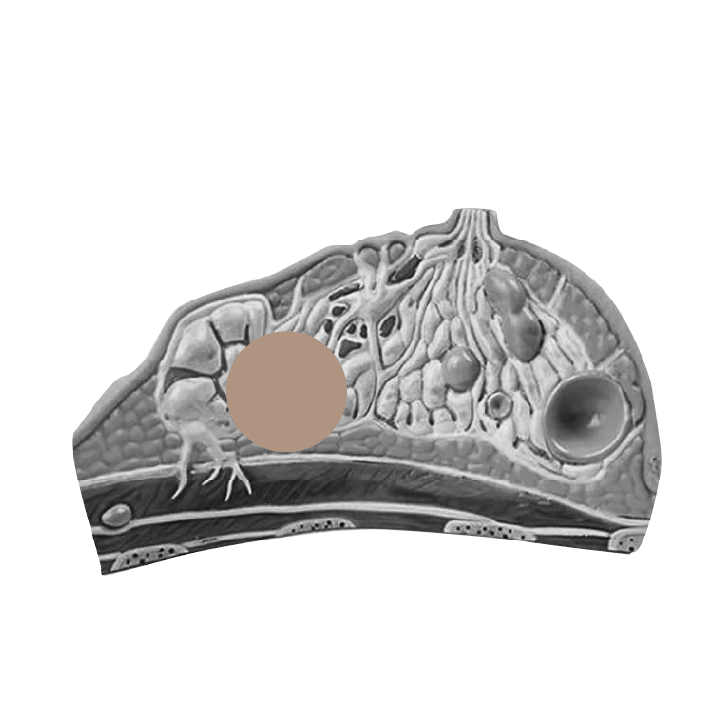 $1.1 Million Breast Cancer
Wrongful death award on behalf of a Bank of New York employee present in the designated area on 9/11
-
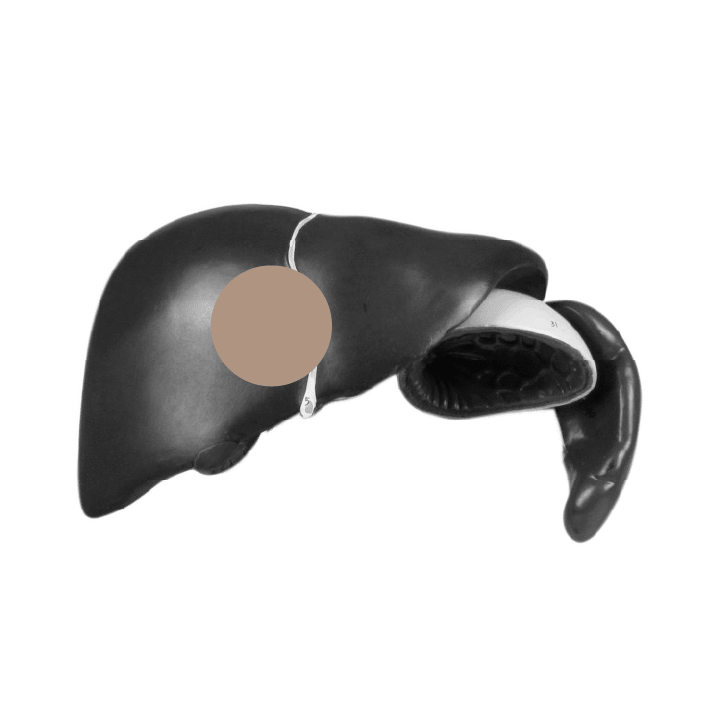 $900+ Thousand Liver Cancer
Wrongful death award on behalf of a Salvation Army volunteer present in the designated area on 9/11
-
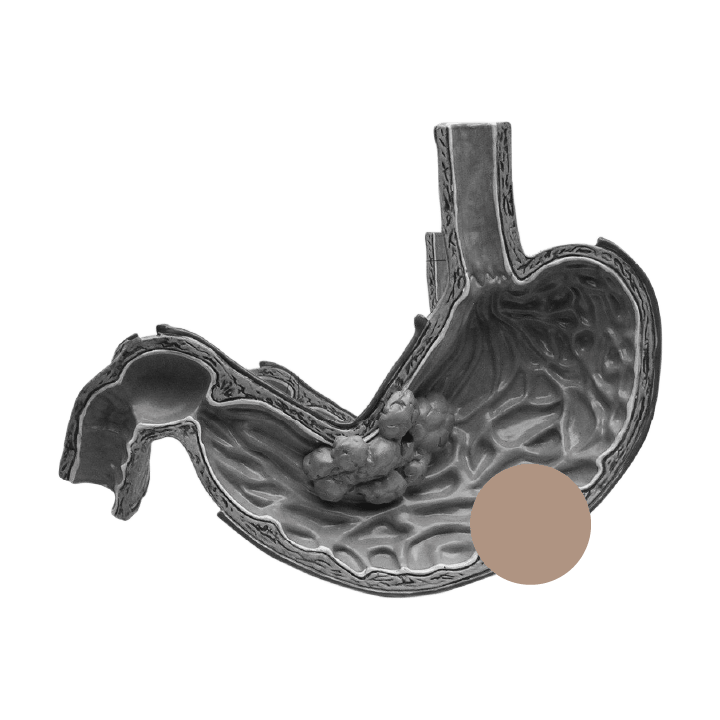 $1.1 Million Gallbladder Cancer
Wrongful death award on behalf of a resident of Confucius Plaza on 9/11
-
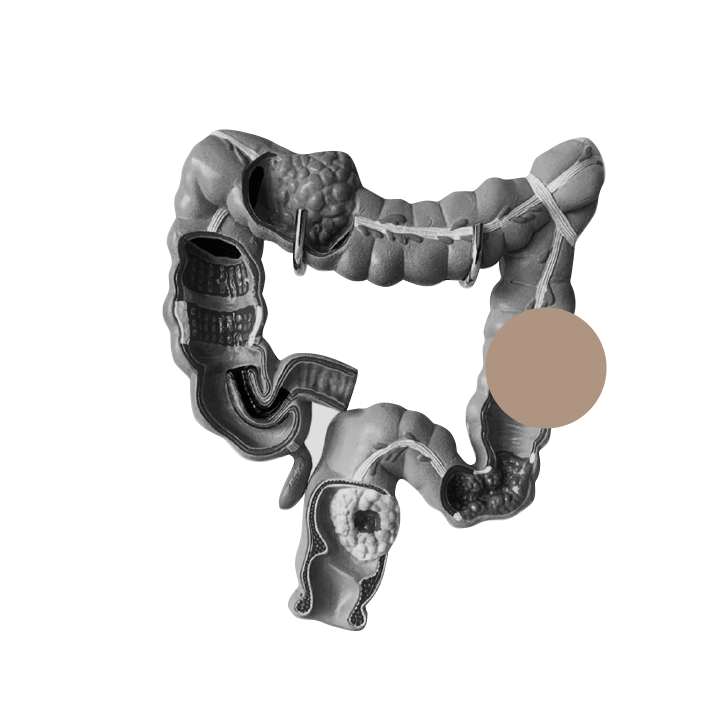 $1.3 Million Colon Cancer
Wrongful death award on behalf of an office worker who was present in Lower Manhattan on 9/11
-
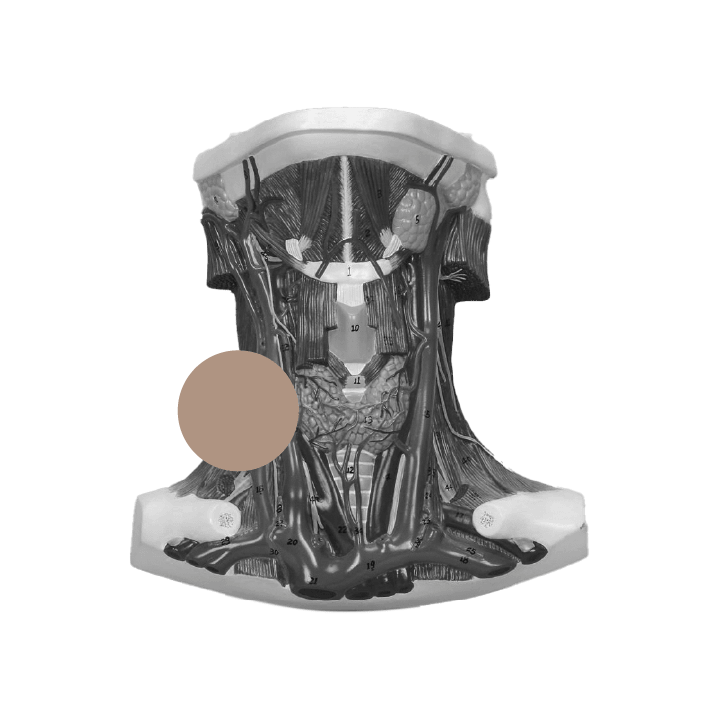 $1.4 Million Laryngeal Cancer
Wrongful death award on behalf of a Local 1 plumber who volunteered to recover bodies on 9/11
-
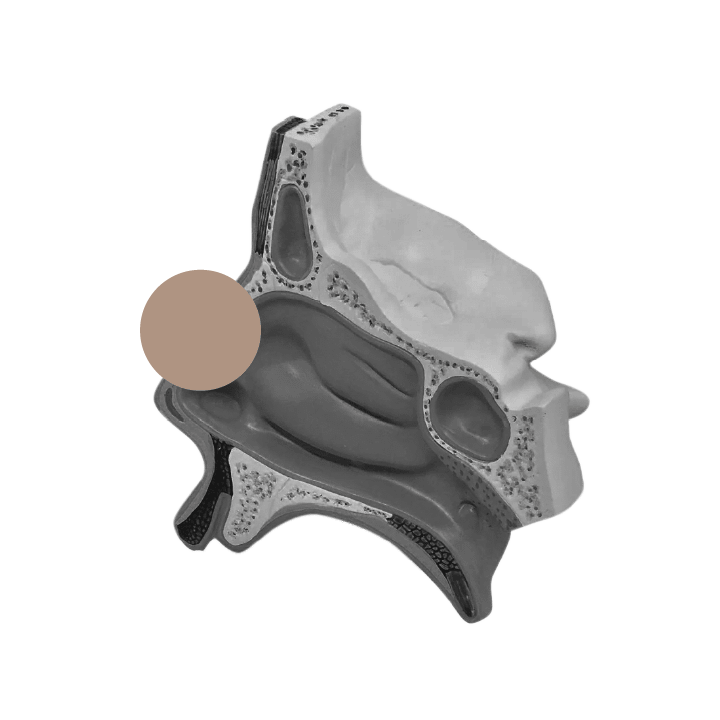 $1.1 Million Nasal Cancer
Wrongful death award on behalf of a resident who lived in Chinatown on 9/11