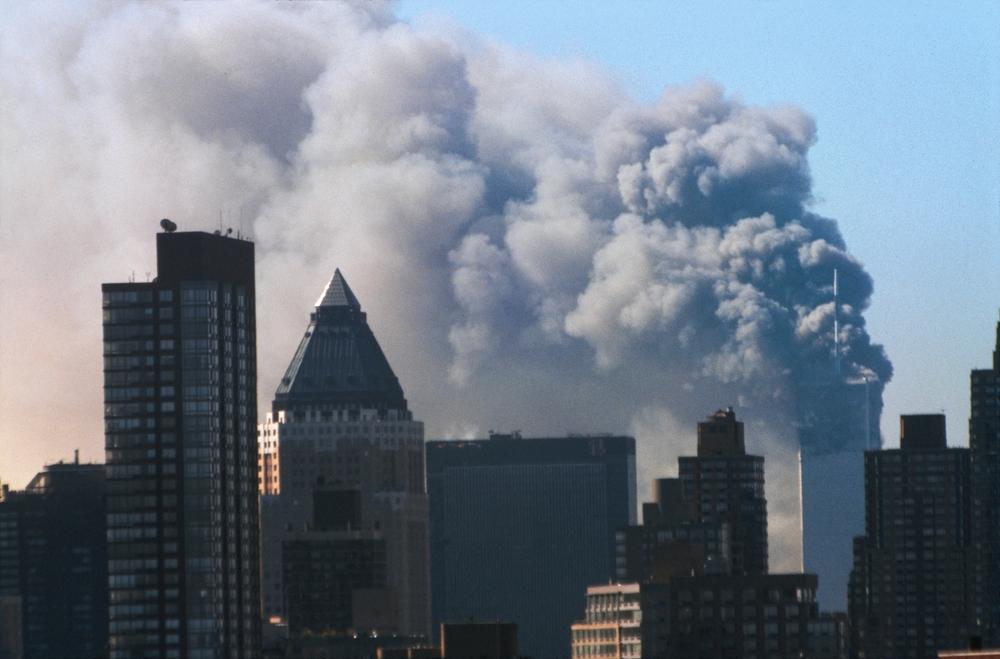
September 11th, 2001 is a day that will forever remain etched in the minds of Americans due to the nearly 3,000 lives lost and the unprecedented destruction. However, far fewer people are aware of the lasting health and environmental hazards faced by survivors and first responders even over two decades later. Exposure to toxic substances such as asbestos, silica dust, and heavy metals in the air around the impacted sites has led to long-term health concerns, including cancer, digestive issues, and mental health conditions. Tragically, these effects have claimed thousands more lives in the aftermath of the attacks.
At Pitta & Baione LLP, we are committed to helping those affected by 9/11-related illnesses or losses. Our firm has recovered millions of dollars in compensation and vigorously advocates for our clients in court and Congress to ensure they receive the justice they deserve. Contact us for a free consultation.
Types of Toxins Discovered After 9/11
The collision of jet fuel and building materials during the 9/11 attacks produced highly toxic debris and gasses. Following the World Trade Center attacks, the following toxins were found at the Ground Zero site:
- Asbestos: Used in the construction of the Twin Towers, asbestos was released into the air during their collapse, posing serious respiratory risks.
- Silica Dust: Created by the pulverization of concrete, silica dust is a known cause of long-term lung damage and diseases such as silicosis.
- Heavy Metals: Elements like lead, mercury, and cadmium, which are toxic to humans, were released from destroyed electronics and building materials.
- Polychlorinated Biphenyls (PCBs): Found in electrical equipment, these chemicals are highly toxic and persist in the environment.
- Volatile Organic Compounds (VOCs): Released from burning jet fuel and other combustibles, these compounds can cause immediate and long-term health effects.
- Dioxins and Furans: Byproducts of burning plastics, these materials are highly toxic and can lead to cancer and immune system damage.
- Hydrocarbons: Resulting from the burning of jet fuel and construction materials, hydrocarbons contribute to respiratory and cardiovascular issues.
- Particulate Matter: Particulate matter consists of extremely fine particles from debris that can penetrate deep into the lungs and bloodstream, causing severe health risks even years later.
These toxins, combined with the heat and the nature of the collapse, created a hazardous environment for first responders, cleanup crews, and nearby residents, many of whom later experienced chronic health issues attributed to their exposure.
Locations Where Toxins Were Discovered
The level of health and environmental hazards varied across the three impact sites. While all three were discovered to contain toxic materials for months following impact, Ground Zero in Manhattan by far contained the highest levels, followed by The Pentagon and Shanksville, PA. Fires at Ground Zero burned for over three months, and debris spread nearly 50 miles to Staten Island.
At the Pentagon, the hazards were less severe than at Ground Zero but were still significant. The fiery crash of Flight 77 released toxins such as hydrocarbons, VOCs, and particulate matter into the atmosphere. Burning building materials, including plastics and synthetic compounds, also produced hazardous fumes, though the exposure area was more contained.
Investigators in Shanksville found jet fuel toxins, hydrocarbons, and localized debris contaminants resulting from the plane crash, though the hazards were relatively minimal due to the rural location and lack of large-scale structures. Despite the lower volume of hazards at this site, first responders and investigators were among those who were exposed to toxic materials and suffered long-term health effects as a result.
Impacts of 9/11 Toxic Substances on Survivors’ Health
Experts have linked nearly 70 different types of cancer and precancerous conditions to the September 11th attacks. The most common types of cancer associated with 9/11 include:
- Lung cancer
- Breast cancer
- Thyroid cancer
- Skin cancer
- Throat cancer
- Nasal and sinus cancer
- Esophageal cancer
- Stomach cancer
- Colorectal cancer
- Leukemia
- Lymphoma
- Multiple myeloma
- Pancreatic cancer
- Kidney cancer
- Bladder cancer
However, cancer is not the only health concern among 9/11 survivors. Survivors often face respiratory disorders, COPD, digestive issues, PTSD, anxiety, and depression due to toxic exposure. Many conditions may qualify for medical benefits through the World Trade Center Health Program (WTCHP) and financial compensation through the Victims Compensation Fund (VCF).
Environmental Impacts of 9/11 Toxins
The destruction of the World Trade Center and the resulting toxic fumes and debris not only caused poor health effects for thousands of people but also had profound effects on the environment. The collapse of the Twin Towers released an estimated 1.2 million tons of debris, including asbestos, lead, mercury, and dioxins, into the atmosphere. The debris spreading from the impact zone settled into the soil and surrounding waterways, contaminating ecosystems with hazardous chemicals and heavy metals.
The fires at Ground Zero burned for months, releasing VOCs and fine particulate matter into the air, degrading the air quality, and exposing residents and workers to prolonged health risks. The cleanup process took nearly ten months to begin completion.
How to Seek Compensation for 9/11 Health Effects
If you were below Houston Street between September 11, 2001, and July 31, 2002, or if you worked as a first responder or government clean-up crew member and have an illness or injury due to toxin exposure, you may be eligible for medical benefits through the WTCHP or financial compensation through the VCF, or both. To enroll, you’ll need to prove your eligibility and file an official application.
This process is much easier with the help of legal representation, especially if you anticipate any difficulty proving eligibility. Government programs like the WTCHP and the VCF aim to help individuals suffering from 9/11-related conditions, but far too many eligible individuals are still denied access to these lifesaving resources. Our team can also help you file an appeal if your application is denied.
Wrongful Death Benefits
Surviving family members of individuals who died from 9/11-related illnesses can also seek compensation. If you would like to speak with someone who can help you seek compensation for a loved one’s 9/11-related illness or death, Pitta & Baione LLP is here for you. Our firm has recovered millions for clients and tirelessly fights for justice in court and Congress.
Schedule a Consultation with a Pitta & Baione LLP Lawyer Today
Over two decades later, many survivors face life-threatening medical conditions due to exposure to 9/11 toxins. In too many cases, lack of coverage results from poor organization or manipulative tactics by insurance companies and lawmakers. For more information, such as whether you are eligible for WTC Health Program benefits, contact Pitta & Baione LLP.