September 11th Acute Traumatic Injuries
September 11th and the recovery efforts placed many workers and survivors in the immediate threat of acute traumatic injuries. Searching for survivors was treacherous work. Digging and removing debris from the jagged, burning pile as the towers continued to crumble caused additional traumatic injuries. If you or a loved one suffered an acute traumatic injury from 9/11, contact the law firm of Pitta and Baione to discuss your eligibility for benefits under the Victim Compensation Fund.
WHAT DOES ACUTE TRAUMATIC INJURY MEAN?
These injuries are characterized by physical damage to a person’s body, including but not limited to eye injuries, severe burns, head trauma, fractures, tendon tears, complex sprains, and similar injuries. The injury must have been caused by exposure to hazards or adverse conditions resulting from the September 11 terrorist attacks. Examples include but are not limited to: being hit by falling debris; a fall from a height or a trip suffered during evacuation, rescue, or recovery activities; and burns or other injuries caused by the ignition of combustible materials, chemical reactions, and explosions.
Understanding These Claims for Benefits
On September 11th, recovery workers were exposed to hazardous conditions both as the World Trade Center fell, and in the recovery efforts that followed. During recovery efforts, debris continued to fall as the building crumbled, fires continued to burn, and contaminated air affected workers. The continued perils of recovery efforts and the acute traumatic injuries sustained during recovery led to the creation of the Victim Compensation Fund for survivors to obtain compensation for their acute traumatic injuries.
Acute Traumatic Injuries include:
- Burns
- Complex sprains
- Eye injury
- Fractures
- Head trauma
- Other similar acute traumatic injuries
- Tendon tear
COMPLICATIONS OF ACUTE TRAUMATIC INJURIES
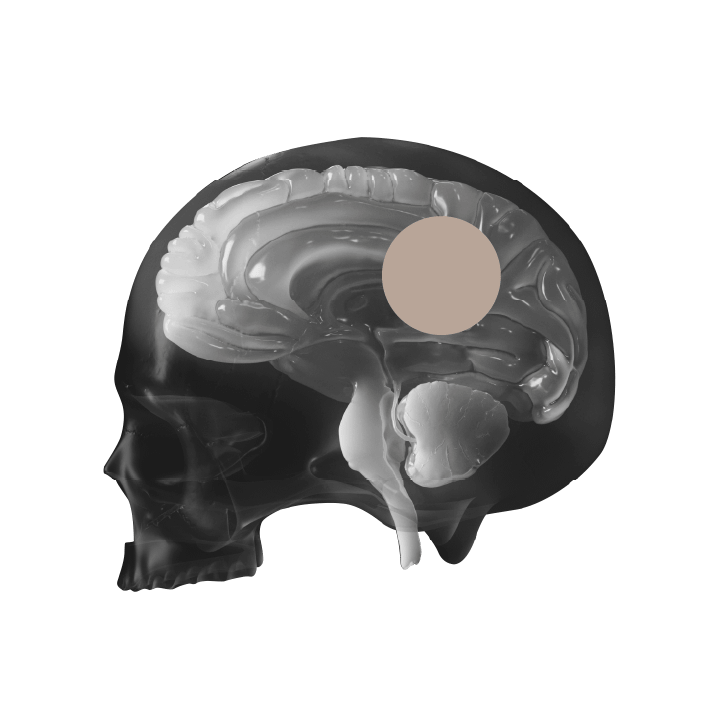
Left untreated, an acute traumatic injury can develop into a chronic condition. The type of acute traumatic injury will determine the required medical treatment, as well as risks for complications without treatment. A head trauma may result in traumatic brain injury.
If a tendon tear is not treated, the tendon can continue tearing and can cause additional mobility issues, as the tendon does not heal properly. Burns that are not treated can lead to infection that will cause additional medical complications.
TRAUMATIC BRAIN INJURIES
Traumatic Brain Injuries are serious head injuries that can result in serious complications. Some of the signs of Traumatic Brain Injuries include but are not limited to:
- Vomiting
- Lethargy
- Headache
- Confusion
- Paralysis
- Coma
- Loss of consciousness
- Dizziness or balance problems
- Ringing in the ears or changes in hearing
- Cognitive difficulty
- Speech difficulties
- Inappropriate emotional response
- Body numbness or tingling
Traumatic Brain Injuries can result in medical complications, including brain bleeds, and blood clots on the brain. Some symptoms are also complications, such as coma and paralysis.
TRAUMATIC EYE INJURIES
There are several types of traumatic eye injuries. The most severe consequence of traumatic eye injury would be loss of vision, sometimes including loss of the eye. Objects that are falling or projected such as in crumbling buildings can penetrate the eye and cause severe damage requiring immediate medical attention. Smaller sharp objects can also get into the eye and cause injury. Foreign substances can irritate the eye as well.
Chemicals from fires and explosions from 9/11 caused more severe eye injury than simple irritation. Irritation may not be readily apparent but the effects can be long-term as burns can occur from this exposure. Symptoms of traumatic eye injury include swelling in the eye, swollen eyelid, bruising around the eye, and bleeding of the eye. Traumatic inflammation of the iris of the eye after an eye injury can lead to decreased vision.
CLASSIFICATION AND COMPLICATIONS FROM BURNS
During 9/11 many people experienced burns during the attacks and during recovery efforts. Burns are not always severe, but acute burns can have grave consequences, including death.
Burns are categorized into degrees:
A first-degree burn is found on the top of the skin. Second-degree burns can be shallow or deep, and found in the middle layer of skin. Third-degree burns are more severe and the burn impacts all layers of the skin, and can destroy nerve endings, hair follicles, and sweat glands.
If the burns are deep enough, the muscles can also be damaged. Other complications are dehydration, shock, infection, and tightening of the skin that can lead to loss of healthy skin tissue. Medical treatment for severe burns may require hospitalization and treatment in a special burn unit where recovery can be monitored.
TRAUMATIC FRACTURES AND SPRAINS
If left untreated, a fracture or sprain can result in decreased mobility as the joint area. Symptoms of fractures and sprains include swelling, tenderness, bruising, and inability to use the limb involved. With open fractures, infection can set in and spread throughout the body during recovery.
Long-lasting complications of fractures and sprains include:
- Long-term pain
- Arthritis
- Nerve damage
TRAUMATIC TENDON TEARS
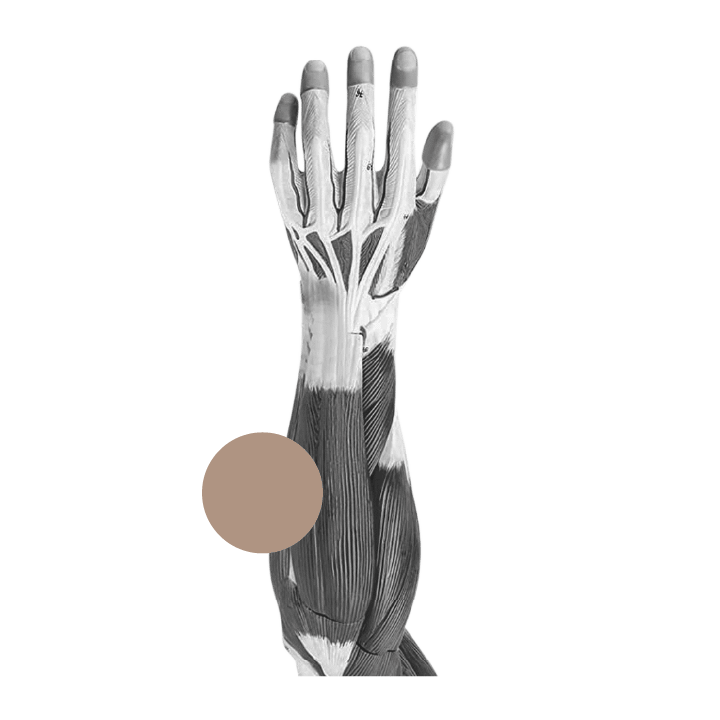
Tendon tears are an acute traumatic injury that can cause a number of serious complications that include pain, bruising, weakness of the limb, and inability to use the affected limb. Medical care is needed to treat torn tendons. While rest and compression therapy may alleviate symptoms, surgery is often required to repair a traumatic tear.
CONTACT A SEPTEMBER 11TH ATTORNEY TO DISCUSS YOUR ELIGIBILITY FOR BENEFITS
There are many traumatic injuries that affected 9/11 survivors. If you or a loved one suffer from an acute traumatic injury related to September 11th, contact a 9/11 attorney at Pitta & Baione by completing our online contact form or calling us at 212-210-1784.
PITTA & BAIONE LLP SUCCESSFUL CLAIMS