Rare 9/11 Cancer Related Illness
The 9/11 Victim Compensation Fund was created and extended to compensate victims of the attacks on the World Trade Center on 9/11. This fund helps victims of 9/11 and survivors exposed to Ground Zero during recovery efforts. If you or someone you love suffers from rare cancers, contact the 9/11 attorneys at Pitta & Baione to see if your illness is covered by the Victim Compensation Fund.
WHEN IS A CANCER RARE?
One of the categories of illness and injury that is covered by the Victim Compensation Fund is cancer, specifically rare cancers. A type of cancer is considered rare if the incidence rate of that cancer is low enough. The incidence rate for rare cancers is if that cancer occurs in less than 15 cases out of 100,000 persons per year. The timeframe this data is drawn from is 2005-2009 and includes data on cancer in North America.
WHAT RARE CANCERS ARE COVERED UNDER VCF?
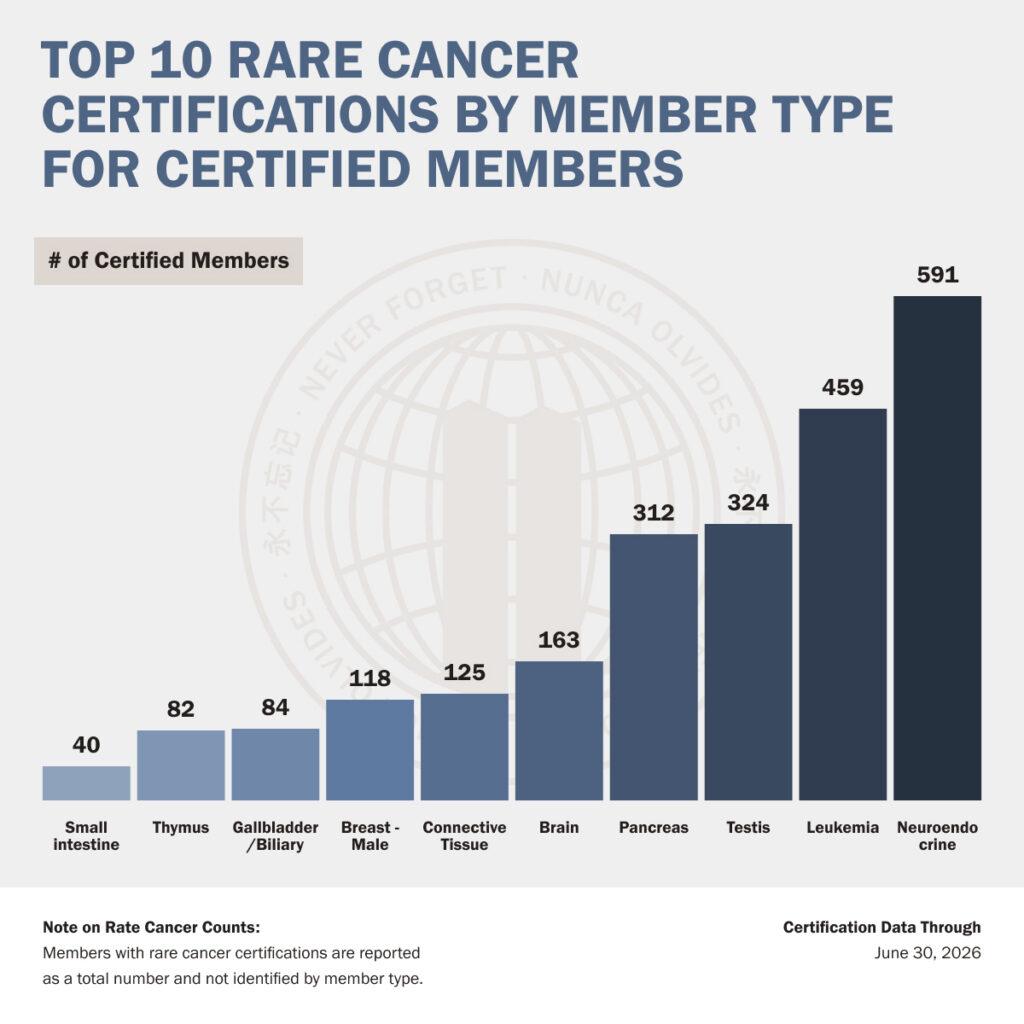
You do not need to research or calculate the incidence of cancer on your own. To help survivors of 9/11 determine if their cancer is in the rare cancer category, the World Trade Center Health Program prepared a guide of cancers already included and criteria for other qualifying cancers. This list is not exhaustive, but it is a good place to start.
Cancers certified as rare for the cancers include:
- Malignant neoplasms, including:
- Adrenal gland and other endocrine glands and related structures
- Anus and anal canal
- Bone and articular cartilage
- Breast among men
- Gallbladder and other parts of biliary tract
- Meninges, brain, spinal cord, cranial nerves, and other parts of the central nervous system
- Pancreas
- Penis and testis
- Placenta
- Small intestine
- Thymus
- Vulva, vagina, and cervix uteri (invasive only)
- Malignant neuroendocrine neoplasm, including carcinoid tumors
- Myeloid neoplasmas, including myelodysplastic syndromes, myeloproliferative neoplasms, myelodysplastic/myeloproflierative neoplasms, and myeloid malignancies associated with eosinophilia and abnormalities of growth factor receptors derived from platelets or fibroblasts
Since rare cancers affect different parts of the body and have different effects on the body, it is difficult to identify symptoms. Also, since these are rare cancers, symptoms could be for any variety of other illnesses.
CONTACT A SEPTEMBER 11TH ATTORNEY TO DISCUSS YOUR ELIGIBILITY FOR BENEFITS
If you or a loved one suffer from a rare cancer related to exposure from September 11th, contact a 9/11 attorney at Pitta & Baione by completing our online contact form or calling us at 844-901-1312.
Over $700 MILLION RECOVERED FOR OUR CLIENTS
-
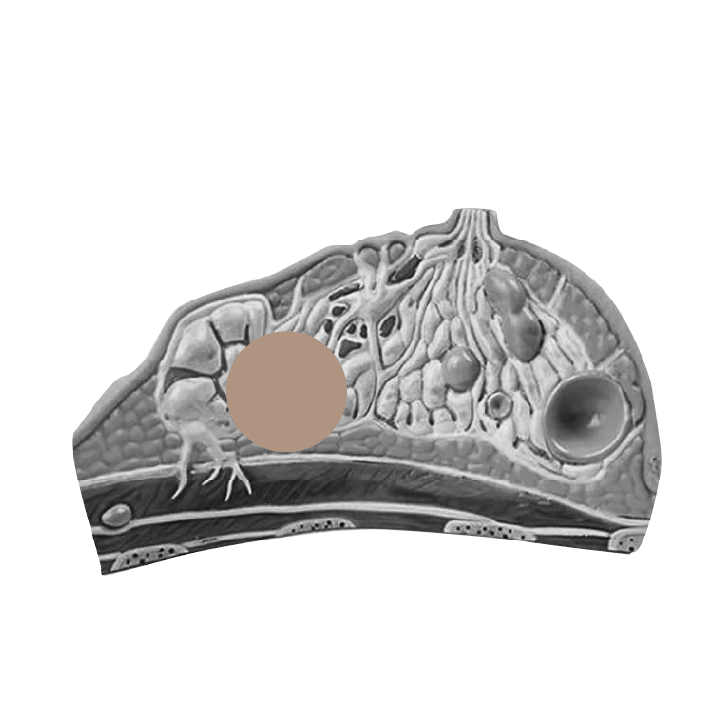 $1.1 Million Breast Cancer
Wrongful death award on behalf of a Bank of New York employee present in the designated area on 9/11
-
 $900+ Thousand Liver Cancer
Wrongful death award on behalf of a Salvation Army volunteer present in the designated area on 9/11
-
 $1.1 Million Gallbladder Cancer
Wrongful death award on behalf of a resident of Confucius Plaza on 9/11
-
 $1.3 Million Colon Cancer
Wrongful death award on behalf of an office worker who was present in Lower Manhattan on 9/11
-
 $1.4 Million Laryngeal Cancer
Wrongful death award on behalf of a Local 1 plumber who volunteered to recover bodies on 9/11
-
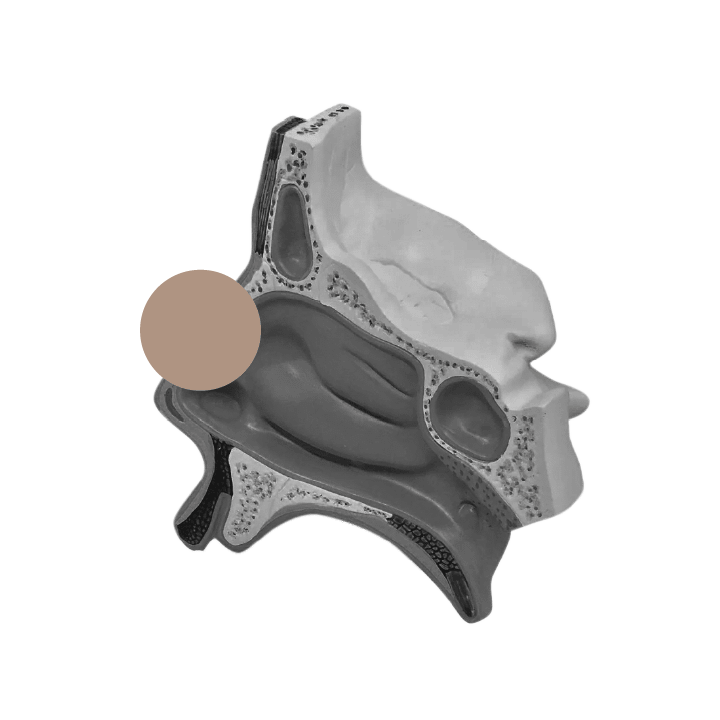 $1.1 Million Nasal Cancer
Wrongful death award on behalf of a resident who lived in Chinatown on 9/11