
 Trusted Content
A landmark study published in JAMA Network Open has revealed a striking association between exposure to the toxic dust and fumes at the World Trade Center (WTC) site after September 11, 2001, and elevated rates of lung cancer among responders. For individuals covered under the World Trade Center Health Program (WTCHP) who wonder whether their 9/11-related exposures might have serious health consequences, including cancers, this research underscores the importance of vigilance and advocacy. It also reflects what we see everyday in our work representing 9/11 responders and survivors: thousands of people who are still being diagnosed with life−threatening diseases decades after their 9/11 toxic dust exposures.
Key Findings of the Study and Why They Matter
For this study, researchers analyzed data on more than 12,000 WTC responders monitored between 2012 and 2023. Among them, those who reported high levels of exposure to WTC dust, fumes from burning materials, and sewage vapors were found to have up to a 2.9 times greater risk of developing lung cancer compared to responders with lower exposure levels.
Importantly, the increased risk held even when adjusting for traditional risk factors such as age, smoking history, and other demographics. These findings mark what the authors describe as the first published study to directly link a graded measure of WTC exposure with lung cancer incidence in this population. While the WTCHP and the VCF have long recognized lung cancer as an eligible 9/11-related condition, studies like this help explain why these programs exist and why Congress created long-term systems to monitor, treat, and compensate responders and survivors. The science continues to confirm what our clients have lived for years.
For anyone involved in 9/11 health advocacy, legal representation, or patient support, these results demonstrate that the latent risks of carcinogenic exposure at Ground Zero continue to unfold, and that lung cancer must be considered among the range of possible long-term effects of being present at or near Ground Zero.
What This Means for WTC Health Program Participants
If you are enrolled in or eligible for the WTCHP, this research highlights several considerations that may be relevant to your ongoing monitoring and your potential VCF claim.
- Screening and surveillance. The findings support continued vigilance in medical monitoring, including discussions with WTCHP clinicians about whether lung-cancer screening is appropriate based on personal medical history and current clinical guidance.
- Legal and compensation avenues. While the study does not change the eligibility rules for the WTC Health Program or the VCF, it reinforces why these programs exist and highlights the importance of seeking certification or verification if you develop a 9/11-related physical condition.
- Risk-reduction actions. While exposure can’t be reversed, tobacco-cessation programs and early detection can significantly improve patient outcomes.
At Pitta & Baione LLP, we believe that awareness of credible, peer-reviewed studies like this one is invaluable to the cases we build for those suffering from 9/11-related health issues.

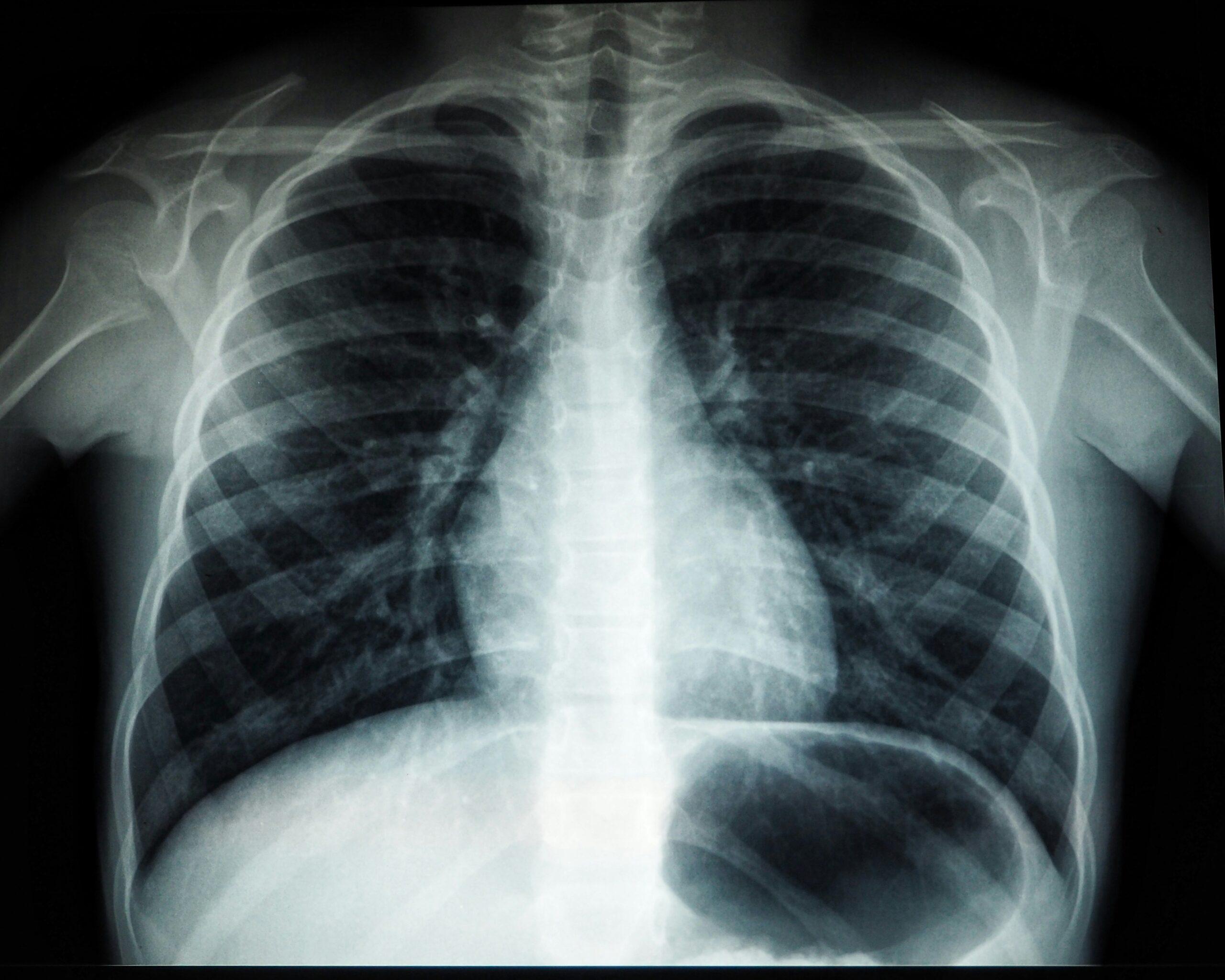
Image courtesy of R. Nevin
There Is Still More Research to Be Done
While the link between 9/11 toxin exposure and cancer that this study has confirmed is significant, researchers acknowledge their limits and next steps:
- The latency period for lung cancer means that more cases may emerge as time goes on.
- More detailed measurements are needed to pinpoint which specific toxins or tasks contributed most to this risk.
- The types of lung cancer and how they have emerged in this specific population remains under investigation.
This research is another reminder that no one should assume it is too late for symptoms to be evaluated for a possible 9/11 connection. Both the WTCHP and the VCF remain open, and individuals who develop lung cancer or other physical conditions after many years may still qualify for monitoring, treatment, and compensation if their condition is certified or verified as 9/11 related.
Pitta & Baione Helps Those Affected by 9/11 Toxin Exposure
If you lived, worked, or visited at or near the World Trade Center site in the months following 9/11, it is important to be screened for lung cancer and other related conditions, as early detection gives you the best chance of successful treatment. With credible new research showing nearly three times the increased risk of developing lung cancer due to 9/11 toxin exposure, you can use this evidence to empower you to seek the care, monitoring, and benefits you’re entitled to.
For more information about your rights under the WTC Health Program, how to monitor your health, or how our team at Pitta & Baione LLP can provide you with proper legal and medical support, contact us to schedule a free consultation.