9/11 Toxic Dust Exposure Zones
We’ll review your case for free
-
Eligibility Requirement – To qualify for 9/11 health and compensation benefits, you must prove presence in an official toxic exposure zone during or after the attacks.
-
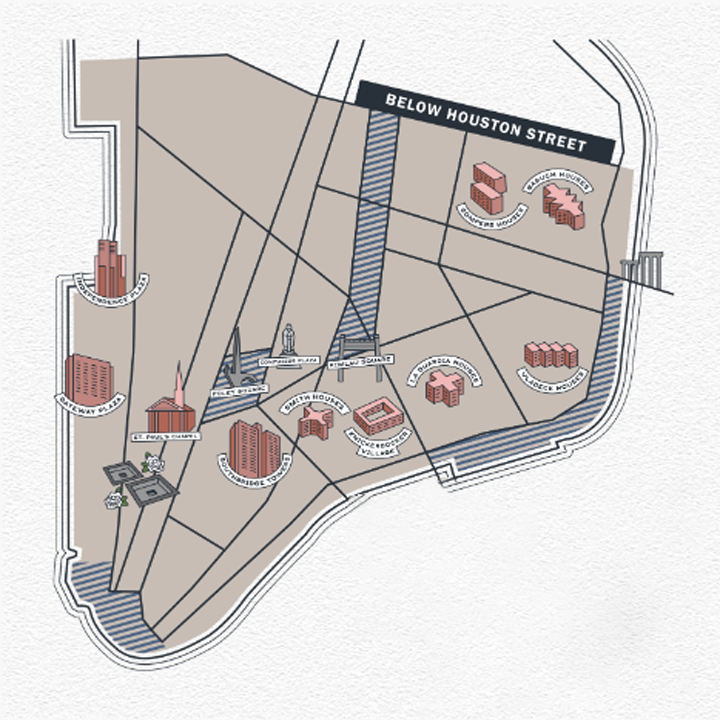
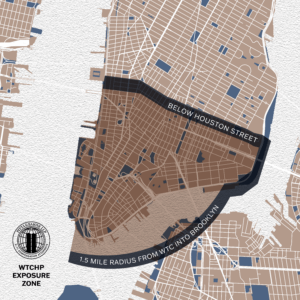
WTCHP Zone – Manhattan south of Houston Street and Brooklyn within 1.5 miles of Ground Zero.
-
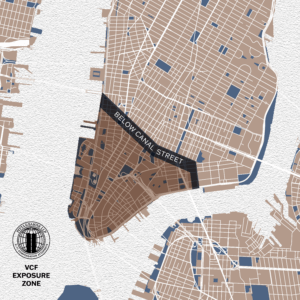
VCF Zone – Lower Manhattan below Canal Street, including East Broadway and Clinton Street to the East River.
-
Other Qualifying Sites – Ground Zero, Pentagon, Shanksville (PA) crash site, and debris removal routes.
-
Health Risks – Exposure to 9/11 dust is linked to respiratory illness, lung disease, cancers, and other long-term conditions.
When the World Trade Center collapsed on September 11, 2001, it released a massive cloud of toxic dust and debris across lower Manhattan and surrounding areas. That cloud contained pulverized concrete, asbestos, heavy metals, and dozens of other hazardous materials. In the years since, thousands of people who were present in those areas have developed serious illnesses linked directly to what they breathed, ingested, or absorbed during and after the attacks.
Understanding 9/11 toxic dust exposure zones matters because your physical location on and after 9/11 is one of the most important factors in determining whether you qualify for benefits through the September 11th Victim Compensation Fund (VCF) or the World Trade Center Health Program (WTCHP). If you were in a designated exposure zone, that presence can serve as the foundation for a benefits claim, even if you have no other formal documentation of what you were exposed to.
At Pitta & Baione, LLP, we work with individuals and families pursuing VCF claims and WTC Health Program benefits. This page explains how these zones were defined, who they cover, and how your location history connects to the claims process.
What Are the 9/11 Toxic Dust Exposure Zones?
The term “9/11 toxic dust exposure zones” refers to defined geographic areas where people are presumed to have been exposed to hazardous materials released by the WTC attacks. These zones were established through federal programs to simplify the process of proving exposure, which would otherwise require each claimant to produce independent environmental or medical evidence. By mapping out specific boundaries, program administrators created a framework that allows location-based presumptions to stand in for individual exposure documentation.
The Geographic Boundaries of the World Trade Center Site Exposure Areas
The core exposure zone covers lower Manhattan, specifically the area south of Canal Street to the southern tip of the island, as well as parts of Brooklyn near the debris path. The boundaries also extend to other New York City boroughs and surrounding areas in New Jersey and beyond, depending on where smoke and debris traveled in the days and weeks after the attacks.
These geographic limits are not arbitrary. They reflect documented environmental monitoring data and the known movement of hazardous materials through the air, water, and soil following the collapse.
What the WTC Dust in Lower Manhattan Actually Contained
The WTC dust cloud produced by the collapse of the Twin Towers was an unusually dangerous mixture. It included asbestos fibers, pulverized cement, glass fibers, heavy metals such as lead and mercury, polycyclic aromatic hydrocarbons, and dioxins, among other hazardous substances. Exposure to this mixture has been linked to respiratory diseases, gastrointestinal cancers, and a range of other conditions now covered under the WTC Health Program.
The concentration and composition of the dust varied depending on how close a person was to Ground Zero and how long they remained in the area during the days and weeks after the attacks.
Why Zone Designation Simplifies the Claims Process
Before formal exposure zones were established, individuals seeking benefits often faced significant difficulty proving they had actually been exposed to WTC-related toxins. The zone framework shifts that burden. If you were present within a designated area during a covered time period, your exposure is generally presumed without requiring you to produce air samples or independent medical testing.
This presumption is central to how the VCF and the WTC Health Program evaluate eligibility, and understanding it is the first step toward knowing whether your situation may qualify.
How Ground Zero and Exposure Zones Were Defined and Mapped
The exposure zones used in federal 9/11 programs were not drawn by a single agency in a single moment. They evolved over time as environmental data was collected, health research accumulated, and program administrators refined their understanding of where exposure occurred and for how long. The result is a set of geographic and temporal boundaries that reflect years of scientific and policy work, and knowing how those boundaries were developed helps explain why certain locations are included while others are not.
Federal Agencies and the Mapping Process
Several federal agencies played a role in defining exposure zones, including the Centers for Disease Control and Prevention, the National Institute for Occupational Safety and Health, and the VCF Special Master’s office. The CDC’s WTC health exposure guidance provides detailed information on the areas and time periods considered relevant to WTC exposure determinations. These agencies drew on environmental monitoring conducted in the months after the attacks, as well as epidemiological research tracking ongoing health effects among workers, residents, and others who were in the affected areas.
The 9/11 Victim Compensation Fund (VCF) Exposure Zone Map
The 9/11 Victim Compensation Fund (VCF) maintains a publicly accessible map that identifies the specific geographic boundaries used to evaluate VCF claims. The VCF NYC exposure zone map allows individuals to verify whether a specific address falls within a covered zone. This tool is particularly useful for people who lived, worked, or went to school in lower Manhattan and surrounding areas during the covered period.
Knowing whether your location falls inside or outside the mapped zone is an important early step when evaluating whether a VCF claim is worth pursuing.
Time Periods Covered by the Zones
Physical presence in a zone matters, but so does timing. The programs distinguish between presence on the day of the attacks, presence during the rescue and recovery period that followed, and presence during the extended cleanup and remediation period. Each time window carries different eligibility implications, and some programs extend coverage well beyond September 11, 2001, itself, recognizing that hazardous materials persisted in the environment for months.
People who arrived in the area days or even weeks after the attacks may still fall within covered periods depending on the program and the nature of their claimed condition.
Who Qualifies for Benefits Related to Ongoing Health Effects Based on Their Zone Location
Zone location is one piece of a larger eligibility picture, but it is often the most critical piece. Both the VCF and the WTC Health Program use presence within a defined zone during a covered time period as a threshold requirement.
Meeting that threshold does not automatically guarantee benefits, but failing to meet it generally prevents a claim from moving forward. Understanding who falls within these zones, and how presence is documented is essential to understanding whether a claim has a factual foundation.
First Responders, Workers, and Area Residents
Eligibility based on zone location applies across several categories of people. This includes first responders such as police, firefighters, and emergency medical personnel, as well as construction workers, utility crews, and volunteers who worked at Ground Zero or the surrounding area. It also covers people who simply lived, worked, or attended school in the zone during a covered period, even if they had no connection to the rescue or recovery effort.
A lower Manhattan resident who returned home days after the attacks, or an office worker who commuted through the area during the recovery period, may meet the presence requirement even without any direct involvement in cleanup work.
People Outside New York City
The exposure zones are not limited to lower Manhattan. Parts of Brooklyn near the debris path are included, and certain federal programs recognize exposure that occurred in locations outside New York City entirely, including areas in New Jersey where contaminants traveled. Additionally, individuals who were aboard or near the Pentagon on September 11 or who were present in Shanksville, Pennsylvania, near the Flight 93 crash site may qualify under separate provisions.
The geographic scope of covered exposure is broader than many people realize, which is one reason it is worth reviewing your specific circumstances before assuming you do not qualify.
The Role of Documentation in Proving Presence
While the zone framework creates presumptions in favor of claimants, you still need to demonstrate that you were actually present in a covered zone during a covered period. Documentation can take many forms, including employment records, school enrollment records, utility bills showing a residence address, pay stubs, tax records, or witness statements.
Some claimants have stronger documentation than others, and gaps in records do not always defeat a claim. Working through what documentation exists and understanding how to present it is often where experienced legal assistance makes a meaningful difference in the outcome of a claim.
Over $700 MILLION RECOVERED
FOR OUR CLIENTS
-
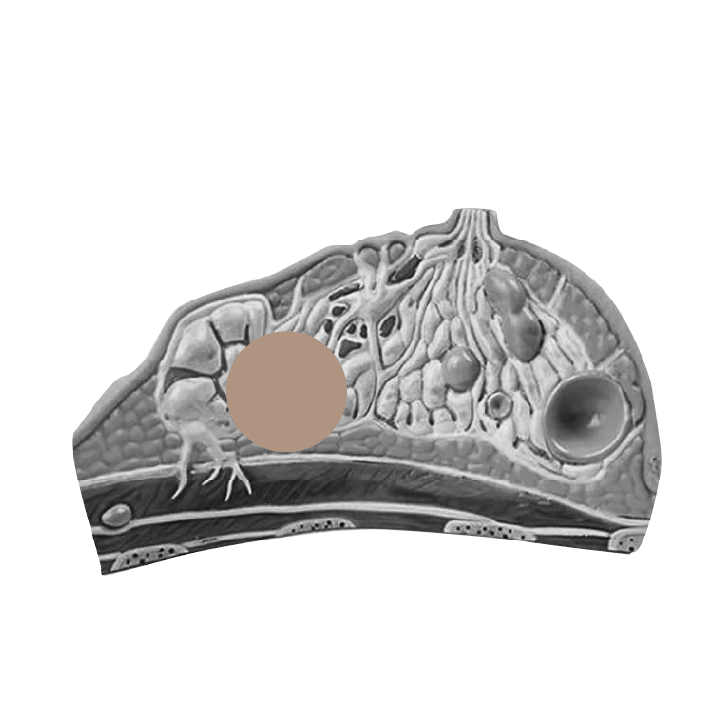 $3+ Million Breast Cancer
Disabled Lower Manhattan corporate executive who developed 9/11 metastatic breast cancer
-
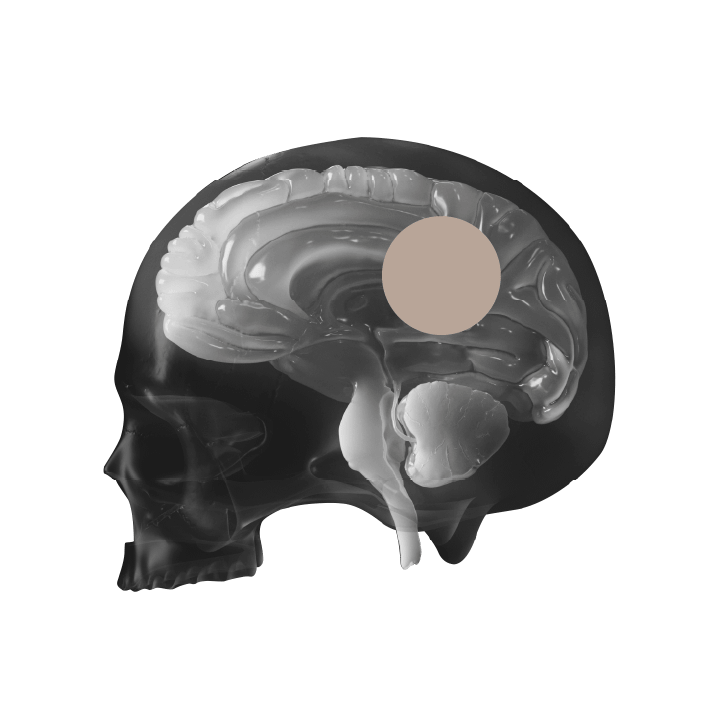 $2.8 Million Brain & Endometrial Cancer
Wrongful death award on behalf of a makeup artist who owned a small business in Lower Manhattan and later developed metastatic cancers
-
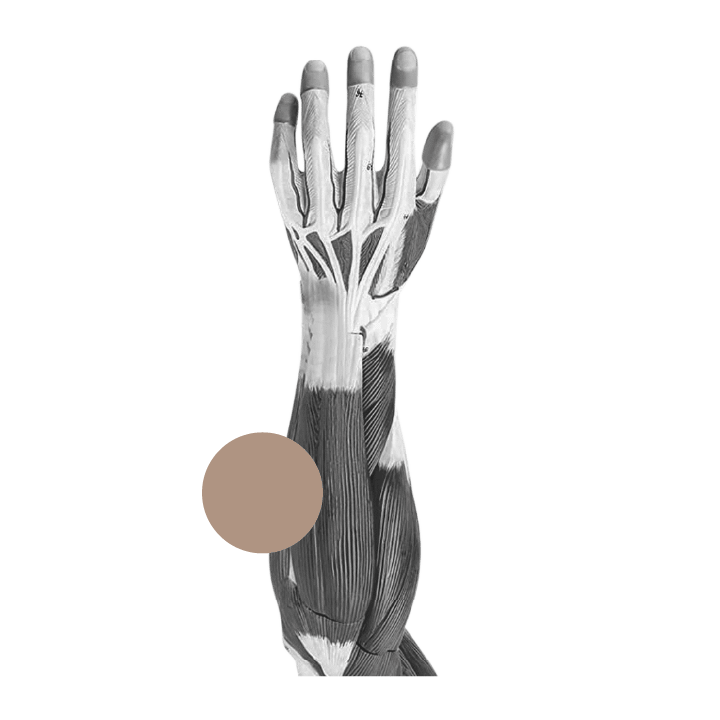 $2.5 Million Traumatic Injury
Traumatic injury award for DSNY Sanitation Worker who fell into rubble while moving an aircraft tire at Ground Zero
How to Use Zone Evidence in a Victim Compensation Fund (VCF) Claim
Establishing that you were in a 9/11 dust exposure zone is not an end in itself. It is the starting point for building a claim. The VCF requires claimants to connect zone presence to a certified health condition, demonstrate that the condition is covered under the WTC Health Program, and show losses resulting from that condition.
Each of these steps involves distinct evidence requirements, and zone presence feeds into the first of them by establishing the exposure predicate on which the rest of the claim depends.
Connecting Zone Presence to a Certified Condition
The VCF requires that a claimant’s health condition be certified by the WTC Health Program before the fund will evaluate a financial compensation claim. Certification means the program has reviewed medical documentation and determined that the condition is substantially related to WTC exposure.
Your zone presence supports that certification by establishing that you were in a location where the relevant exposure could have occurred. Without that geographic connection, the WTC Health Program may not have a basis for certifying the condition as WTC-related, which in turn would prevent the VCF from processing the claim.
Types of Evidence that Support a Zone-Based Claim
Strong zone-based claims are built on a combination of location evidence and medical documentation. Employment records, lease agreements, school records, and payroll documents establish where you were and when. Medical records, including diagnoses, medical treatment histories, and any prior WTC Health Program filings, establish what condition you have and when it was identified.
The VCF also allows personal statements describing your presence and activities in the exposure zone, which can be especially important for claimants whose written records are limited or incomplete. Presenting this evidence in an organized, well-supported format is important to how the VCF reviews and values a claim.
Working with a Legal Representative on Your Claim
The VCF allows claimants to work with attorneys or other legal representatives throughout the process. Legal assistance can be useful in identifying all available evidence of zone presence, ensuring that the medical certification process proceeds correctly, and reviewing the VCF’s award determination for accuracy.
Our law firm has experience working with VCF claimants and can help you understand what the process requires at each stage. To learn more about how VCF claims work, contact our team for a consultation.
Frequently Asked Questions About 9/11 Exposure Zones
The questions below address some of the more specific issues that come up when people are evaluating whether their location history supports a VCF or World Trade Center Health Program claim. If your situation involves details not covered here, speaking with an attorney familiar with these programs is always a reasonable next step.
What Is the Difference Between the VCF Zone and the World Trade Center Health Program Zone?
The VCF and the WTC Health Program each have their own criteria for what counts as a covered location, and they are not identical. In practice, however, the VCF generally accepts WTC Health Program certification as proof of covered exposure, which means the two systems work together rather than separately. Understanding how each program defines its geographic scope is important because eligibility for one does not automatically guarantee eligibility for the other.
Does My Address Have to Be Exactly in the Zone?
The VCF uses defined geographic boundaries, but eligibility is not always a simple yes-or-no based on a single address. The specific address where you lived or worked matters, but so does the time period, the nature of your activities, and how your presence is documented. If your address falls near a zone boundary, it is worth reviewing the details carefully before concluding that you do not qualify.
Can I Still File if I Have No Records of Being in the Zone?
A lack of formal records does not automatically disqualify you. The VCF allows personal statements and other informal evidence to help establish presence, and corroborating information from coworkers, neighbors, or family members may also support your account. The strength of your overall claim depends on the combination of evidence available, not on any single document.
What if I Developed an Illness Years After 9/11?
Many WTC-related conditions do not appear until years or even decades after the exposure occurred. The VCF and the WTC Health Program both recognize this latency period, and a delayed diagnosis does not necessarily disqualify a claim. What matters is whether the condition is on the list of covered illnesses and whether it can be medically linked to WTC exposure.
Are Respiratory Conditions the Only Covered Illnesses?
No. While respiratory conditions such as asthma, chronic sinusitis, and reactive airways dysfunction syndrome are among the most commonly recognized, the WTC Health Program covers a broad range of cancers and other serious conditions. The list of certified conditions has expanded over time as research has clarified the health problems associated with WTC exposure, and it is worth verifying whether your specific diagnosis is currently covered.
How Long Do I Have to File a VCF Claim?
The VCF has filing deadlines that depend on when your condition was diagnosed and certified. In general, claimants must file within two years of receiving WTC Health Program certification for their condition. Because deadlines can vary based on individual circumstances, reviewing your timeline with a legal representative as early as possible is advisable to avoid missing a filing window.
Does NYC Exposure Zone Presence Alone Guarantee VCF Compensation for Health Impacts?
Zone presence establishes the exposure predicate but does not by itself guarantee any particular outcome. A successful VCF claim also requires a certified health condition, documentation of losses, and a complete, accurate submission. Each claim is reviewed individually, and the fund’s determination depends on all of the evidence submitted together.
Contact Our Law Firm for a Free Consultation About Your 9/11 Health Risks Claim
If you believe your location on or after September 11, 2001, placed you within a 9/11 toxic dust exposure zone, your situation may support a claim for VCF compensation or World Trade Center Health Program (WTCHP) benefits. Pitta & Baione works with individuals and families at every stage of this process, from initial eligibility review through final award determination. Reach out to our law firm today to discuss your circumstances and learn whether a claim may be available to you.
Your Attorneys On-Call

Pitta & Baione LLP was founded to advocate for 9/11 victims and provide dependable counsel. Beyond our core work, we serve as trusted legal advisors on various matters, including litigation, real estate, business law, and have experience with mass tort cases, such as Round Up. Our experienced team and extensive pofessional network ensure comprehensive support. Think of us as your on-call attorneys — ready to help when you need us.


Pitta & Baione LLP was founded to advocate for 9/11 victims and provide dependable counsel. Beyond our core work, we serve as trusted legal advisors on various matters, including litigation, real estate, business law, and have experience with mass tort cases, such as Round Up. Our experienced team and extensive pofessional network ensure comprehensive support. Think of us as your on-call attorneys — ready to help when you need us.